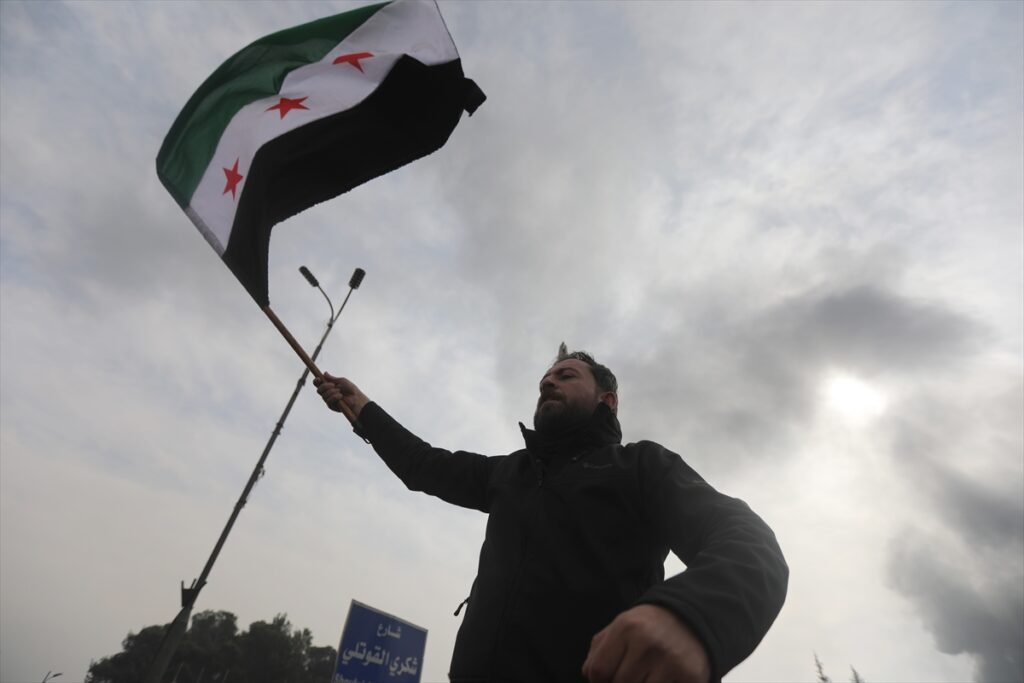
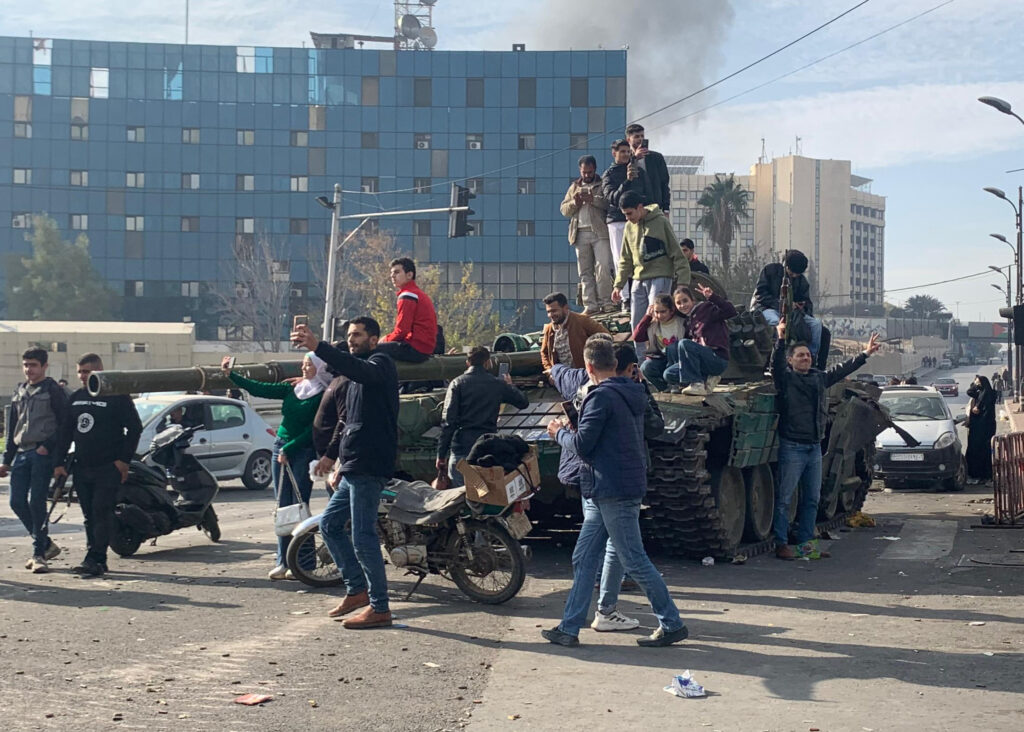
Syrian President Bashar al-Assad fled the country on Sunday, bringing a dramatic end to his nearly 14-year struggle to maintain control amid a brutal civil war that turned Syria into a proxy battleground for global powers. Assad’s departure marked a stark contrast to his initial rise to power in 2000, when he was seen as a potential reformist following the three-decade rule of his father, Hafez al-Assad. At the age of 34, Bashar, a Western-educated ophthalmologist, was considered a mild-mannered and tech-savvy leader. However, when protests against his rule erupted in 2011, he resorted to the harsh tactics of his father to suppress dissent, eventually plunging the country into civil war. Over the years, Assad’s government, backed by Iran and Russia, unleashed devastating military campaigns, resulting in widespread torture and extrajudicial killings. The war has killed nearly half a million people and displaced millions. In recent years, Assad regained control over most of Syria, but the northwest remained under opposition control, and the northeast was governed by Kurdish forces. Despite enduring Western sanctions, many neighboring countries had started to accept Assad’s continued grip on power, with Syria’s membership in the Arab League restored in 2023. However, the situation changed quickly when opposition groups in northwest Syria launched a surprise offensive in late November. Assad’s forces quickly collapsed, and his allies, distracted by other conflicts like Russia’s war in Ukraine and the Israeli-Hamas war, were reluctant to intervene. Bashar Assad’s rise to power was unexpected. His father, Hafez, had groomed his older son Basil to be his successor, but Basil’s death in a 1994 car crash led Bashar, then living in London as an ophthalmologist, to return to Syria. He was rapidly groomed for leadership, undergoing military training and elevated to the rank of colonel. When Hafez died in 2000, the Syrian parliament lowered the age requirement for the presidency to 34, allowing Bashar to take power through a nationwide referendum where he was the sole candidate. Hafez’s nearly 30-year rule had been marked by tight control over the country’s economy and political life, and his alliance with Iran and resistance to Israel defined Syria’s foreign policy. Bashar, in contrast to his father’s hard-edged authoritarianism, appeared more open and even liberal in his early years. He allowed some political discourse and briefly encouraged reforms in what was dubbed the “Damascus Spring.” However, after intellectuals pushed for political reform, Assad’s regime cracked down, imprisoning activists and shutting down reform efforts. By the time the Arab Spring protests spread to Syria in 2011, Assad dismissed the possibility of unrest in his own country, claiming his government was in tune with the people. However, as the protests escalated, Assad turned to brutal force to suppress opposition, with his regime using military power to crush uprisings, particularly in cities like Homs and Aleppo. While initially relying on his father’s old allies, Assad increasingly turned to his inner circle, including his brother Maher, who headed the Presidential Guard, and his wife, Asma, who played a key role in his government until she stepped back in 2023 due to health issues. The outbreak of civil war forced millions of Syrians to flee the country, while the violence and suffering persisted for over a decade. Despite numerous attempts to oust him, Assad managed to hold onto power, backed by Russia and Iran, while the international community remained divided over how to respond. As Assad exits the scene, the end of his family’s rule over Syria marks the collapse of a decades-long dynasty that shaped the country’s politics and identity for nearly half a century.