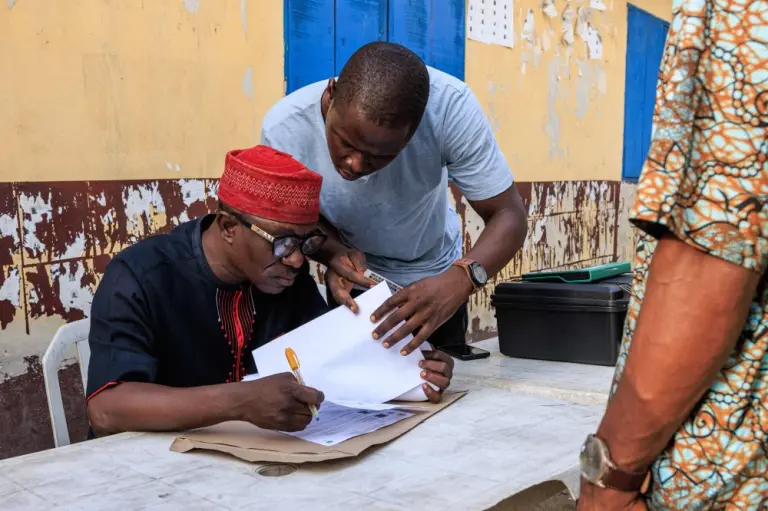
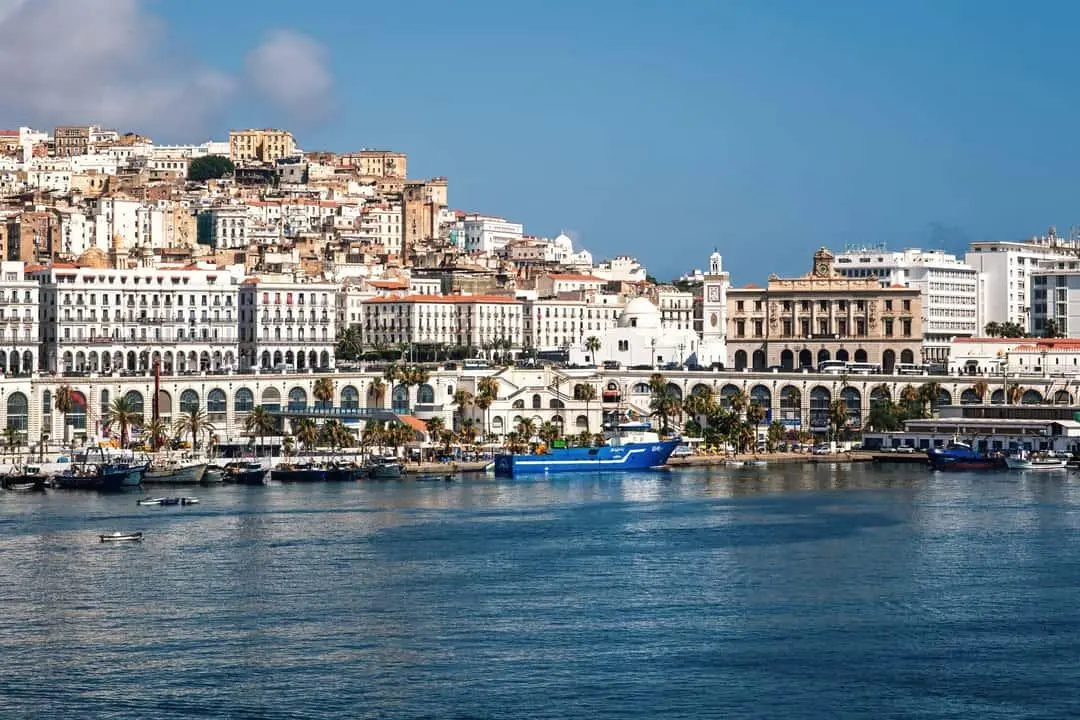
Algerians headed to the polls on Saturday to elect new representatives for municipal and provincial assemblies for a five-year term.
According to Africanews, more than 24 million people were eligible to vote across the country’s 1,541 municipalities and 69 provinces.
More than 160,000 candidates competed for seats, with 54 percent of them under the age of 40.
The elections marked Algeria’s second local polls since President Abdelmadjid Tebboune took office in 2019.
Local elections shape community development
Municipal councils play an important role in managing public services and addressing the daily needs of residents.
Meanwhile, provincial assemblies oversee regional development and coordinate activities between municipalities.
They also help identify local priorities and infrastructure needs.
The newly elected representatives will serve five-year terms, during which they will help shape local development policies across the country.
The high proportion of candidates under 40 also highlights the presence of younger generations in local politics.
Voter turnout remains a key concern
Participation emerged as a central issue ahead of the elections following low voter turnout in Algeria’s legislative polls in July.
Experts cited by Africanews stressed that strong participation is important for strengthening the public legitimacy of incoming councils.
Local elections offer citizens an opportunity to influence decisions affecting their communities directly.
However, the level of participation remains an important indicator of public engagement in the electoral process.
Algeria awaits election results
Polling stations were scheduled to close at 7pm local time on Saturday.
However, electoral authorities had the option to extend voting by up to one hour if necessary.
Officials were expected to begin counting ballots after polling stations closed and announce preliminary results once the process was complete.
The elections will determine the composition of municipal and provincial assemblies responsible for overseeing local affairs and regional development over the next five years.
Official turnout figures and preliminary results were not included in the initial report.