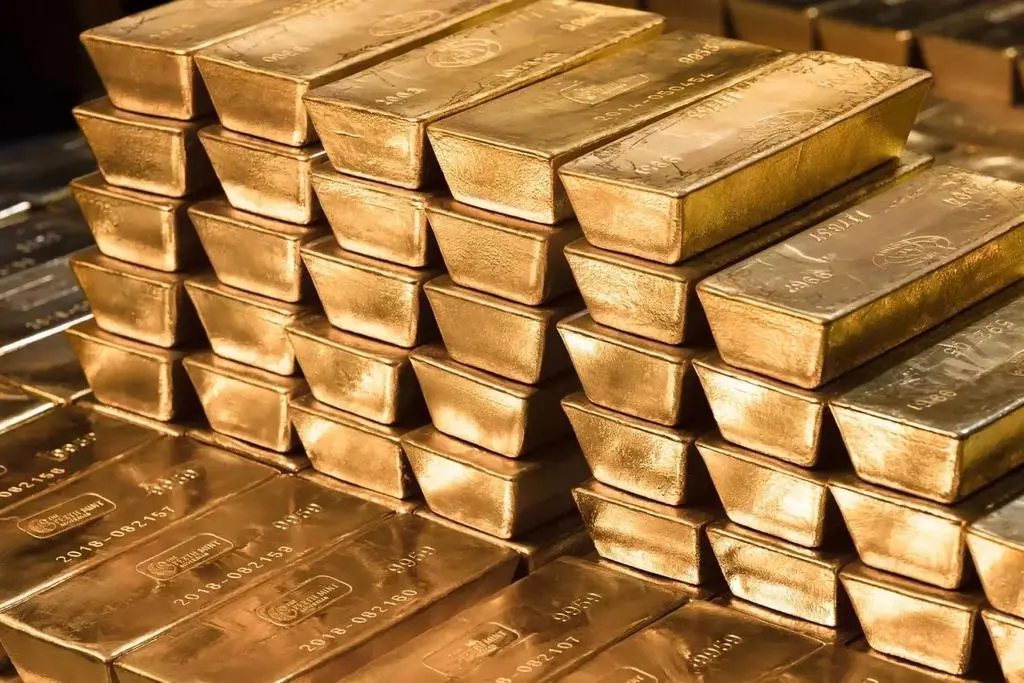
The Democratic Republic of the Congo (DRC) plans to build two new gold refineries to strengthen its domestic mining industry and combat illegal exports.
The proposed facilities will have a combined annual refining capacity of 68 tonnes.
According to Business Insider Africa, gold traders outlined plans to establish the refineries in Kisangani and the capital, Kinshasa.
The initiative aims to increase domestic gold processing and reduce the country’s dependence on foreign refineries.
New gold refineries to boost local production
The proposed Kisangani facility will have an annual refining capacity of 18 tonnes.
Meanwhile, the Kinshasa refinery will serve as the flagship facility, with a capacity of 50 tonnes per year.
The developers also aim to obtain accreditation from the London Bullion Market Association for both facilities.
Earlier this year, the DRC inaugurated its first gold refinery in the eastern city of Kalemie.
That facility aims to process 600 kilograms of gold per month at a purity level of 99.9 percent.
The latest expansion plans reflect the country’s efforts to retain more value from its natural resources.
DR Congo targets illegal gold exports
Gold smuggling remains a major challenge for the Congolese mining industry.
A significant share of artisanal gold leaves the country through illegal trading networks. Some proceeds have also been linked to the financing of armed groups.
In 2023, the country established DRC Gold Trading to purchase gold from small-scale miners and bring more transactions under official regulation.
According to Bloomberg, as cited by Business Insider Africa, the company says it is introducing traceability systems to prevent links between its supply chain and armed conflict.
Meanwhile, official mining ministry figures show that the country recorded more than three tonnes of artisanal gold production during the first nine months of 2026.
Authorities seek stronger mining oversight
In April, Prime Minister Judith Suminwa announced a strategy to improve gold traceability and strengthen regulatory oversight.
The government also plans to revise procedures for monitoring mineral products from extraction to export.
Furthermore, President Felix Tshisekedi has called for audits of mining joint ventures to identify regulatory shortcomings and recover outstanding revenues.
Under Congolese law, mining companies must return between 60 and 100 percent of their export earnings to the country, depending on whether they have recovered their initial investment.
Through these measures, the DRC aims to reduce illegal gold exports, strengthen domestic processing and retain a greater share of its mining revenues.