
Mizutchi explained that Japan provided $8 million in food aid through the World Food Programme in 2025, though delivery has faced major challenges due to insecurity. He emphasised that Japan is not a party to the conflict, and stressed the need for an internal Sudanese dialogue to restore development and stability.
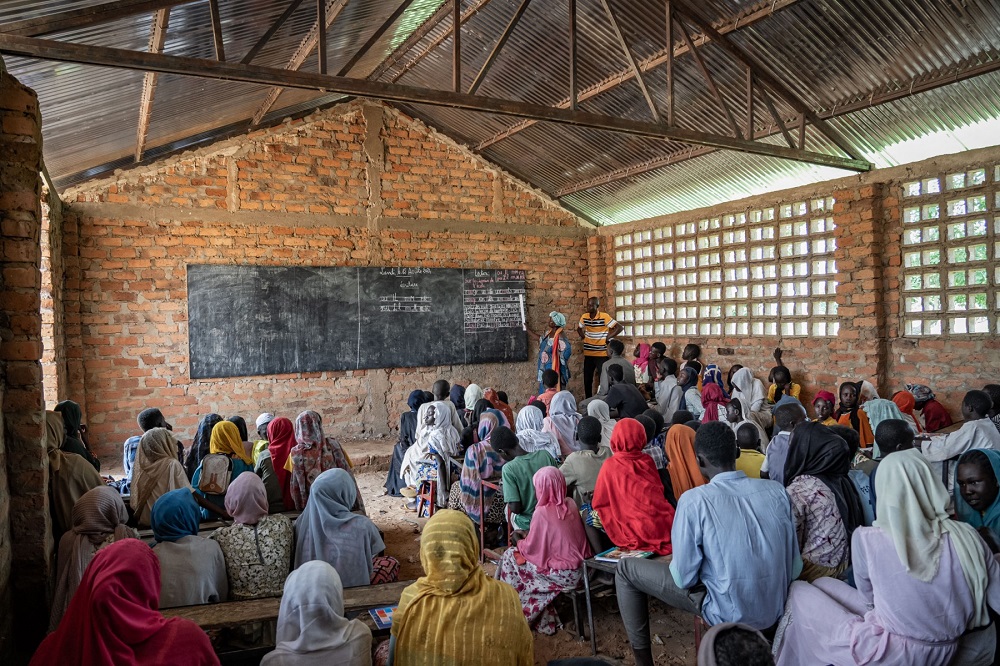
Education remains a top priority, with Japan funding the rehabilitation of 220 schools destroyed by the fighting. Mizutchi noted that UNICEF-supported programs are assisting children and women affected by the war, and returning students to classrooms is central to Japan’s aid strategy.
Sudan’s potential for growth has been severely disrupted by the conflict, Mizutchi added, citing opportunities in solar energy and sustainable development that could be pursued once stability returns. The current aid aims to protect civilians and preserve basic infrastructure ahead of a wider reconstruction effort requiring international cooperation.
The ongoing war has created an unprecedented humanitarian crisis, causing mass displacement, collapsing basic services, and eroding food and health security. Civilians are trapped in conflict zones while aid organisations struggle to reach those most in need due to security restrictions and destroyed infrastructure, making Sudan one of the worst humanitarian crises in the region in decades.
Since April 2023, Sudanese families have faced daily hardships, from lost income and disrupted supply chains to halted education and rising poverty. With violence expanding, the population’s suffering continues to escalate, with no immediate political or military solutions in sight.