
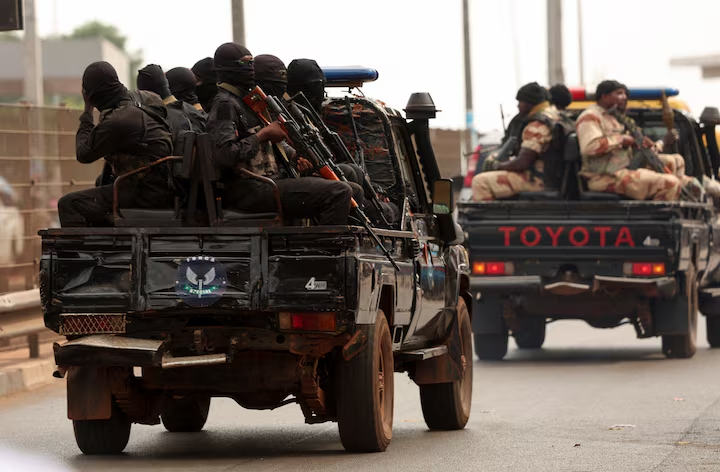
Guinea-Bissau’s military authorities have banned protests and strikes as they move to tighten control ahead of a high-level visit by West Africa’s regional bloc ECOWAS, which is pushing for a return to constitutional order after last week’s coup.
In a statement released late Sunday, the junta said all demonstrations, strikes and any activities it deems a threat to “peace and stability” are prohibited. It also ordered public institutions, ministries and state secretariats to reopen and resume normal work.
The move came a day after hundreds of mainly young demonstrators took to the streets of Bissau, demanding the release of detained opposition figures and the publication of presidential election results.
A mediation mission from the Economic Community of West African States (ECOWAS) — including the presidents of Togo, Cape Verde and Senegal, along with the ECOWAS Commission chief — was expected in Bissau on Monday. The delegation is seeking to convince the coup leaders to restore constitutional order and release the disputed presidential vote tallies.
ECOWAS has warned it could impose sanctions on those found responsible for undermining Guinea-Bissau’s electoral and democratic processes.
Major-General Horta Inta-a, installed as interim president by the military, has defended the takeover as necessary to foil what he called a plan by “narcotraffickers” to “capture Guinean democracy.” He has pledged a one-year transition period starting immediately.
The latest power grab underscores Guinea-Bissau’s chronic political instability. The country, a key transit hub for cocaine smuggled from Latin America to Europe, has a long record of military involvement in politics.