
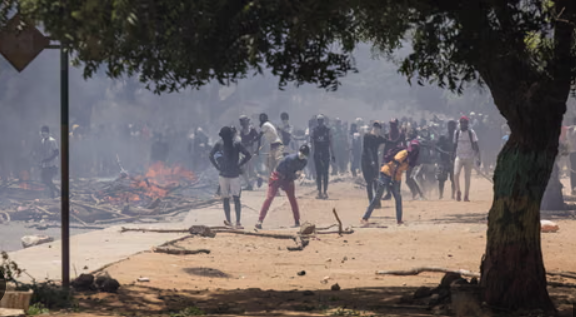
The unrest comes as Senegal faces a severe financial strain, with a debt load the International Monetary Fund estimates at 132% of the country’s gross domestic product. Pape Demba Niane, a third-year law and political science student, said students were attempting to engage in dialogue when police entered the campus. “We are afraid… Several students are injured, and the medical service cannot cope with the influx,” he told Reuters.
Demba Ka, president of a campus association, said students have been holding peaceful demonstrations for 13 months with little response from authorities. “We appealed to the president and the prime minister, who are aware of the country’s instability and the turmoil in our universities,” Ka said, adding that the government ignored their demands and escalated tensions by sending police officers to the campus.
Cheikh Anta Diop University is one of the largest in Senegal, with nearly 90,000 students enrolled in 2024. Ka criticised the government for disregarding young people who had supported it politically, saying, “We did not expect this government to sacrifice the youth who fought for them to become leaders of this country.”
Prime Minister Ousmane Sonko, a university alumnus, had pledged to tackle unemployment, corruption, and elitism. However, since taking office in April last year alongside President Bassirou Diomaye Faye, the administration has faced mounting criticism over its handling of social and economic challenges.
An audit by the new government revealed a larger-than-reported debt burden and budget deficit inherited from the previous administration. Negotiations with the IMF over a new financial programme have been slow, leaving authorities to manage public discontent amid an increasingly difficult fiscal outlook.