
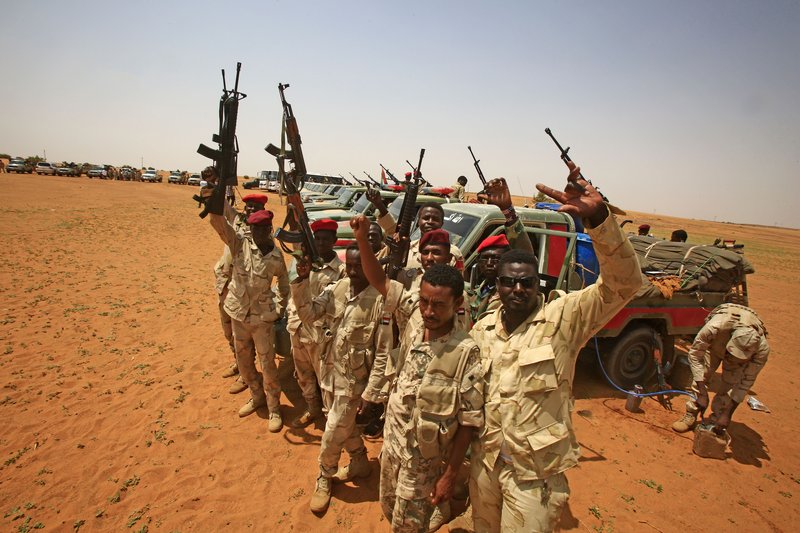
Sudan’s Rapid Support Forces (RSF) took full control of the Heglig oil field on Monday after an orderly withdrawal by SAF units, local media and an engineer at the site said.
Heglig, Sudan’s largest oil field, lies in Kordofan near the border with South Sudan and is a key transit point for crude exports from Juba.
An engineer working in Heglig told AFP that RSF units “entered swiftly and without damaging any infrastructure”, allowing technical teams to shut in the wells and move staff safely across the border into South Sudan. He said he relocated with the evacuated workers.
He added that the processing station handling South Sudanese crude from east of Bentiu was also shut down in a controlled manner. Sudan’s Ministry of Energy and Oil declined to comment.
The RSF advance comes in an area dense with gold deposits and strategic oil infrastructure that both sides in Sudan’s war rely on to fund their operations. RSF forces have expanded their territorial reach in recent weeks, particularly after gaining full control of Darfur at the end of October, tightening their grip over western and southern routes.
Local media reported that RSF units first took over the 90th Brigade of the SAF 22nd Division before moving on to the oil installations. The withdrawal of SAF troops was arranged through local mediation, aimed at avoiding clashes and safeguarding critical infrastructure – a priority the RSF has highlighted in its public messaging.
Videos posted by RSF fighters showed organised patrols and vehicles inside the oil field after the takeover.
Heglig comprises around 75 wells spread across several production blocks, along with a major processing facility serving West Kordofan and South Sudan. Its role in handling cross-border flows makes it one of the most sensitive nodes in Sudan’s energy network.
The takeover came a day after China National Petroleum Corporation (CNPC) issued an ultimatum announcing it would terminate its partnership with Sudan’s Ministry of Energy and Oil in Block 6. The state-owned firm called for a meeting in Juba and set 31 December 2025 as the deadline for early termination of the contract.
CNPC said its cooperation with Sudan began in 1995 but had become increasingly difficult since war erupted on 15 April 2023, forcing it to move its headquarters from Khartoum to Port Sudan and Beijing. Despite sabotage and blockades repeatedly hitting Block 6, the PetroEnergy joint venture kept minimum output going until October 2023, the company said.
Rising security threats around Balila Airport and repeated attacks later forced a full shutdown of operations. Attempts to restore production through new security plans, alternative supply routes and relocating staff to eastern fields all failed, CNPC added.
The company said production cannot resume until the conflict ends, citing force majeure as the basis for terminating its Block 6 agreement.
Heglig had previously been targeted by drone strikes attributed to the RSF. The group has more recently stressed its intention to secure and protect oil infrastructure in areas under its control.
Local assessments suggest the RSF may move to stabilise surrounding supply routes following its recent advance in Babanusa, a step that could further reshape the balance of power around Sudan’s already fragile oil sector.