
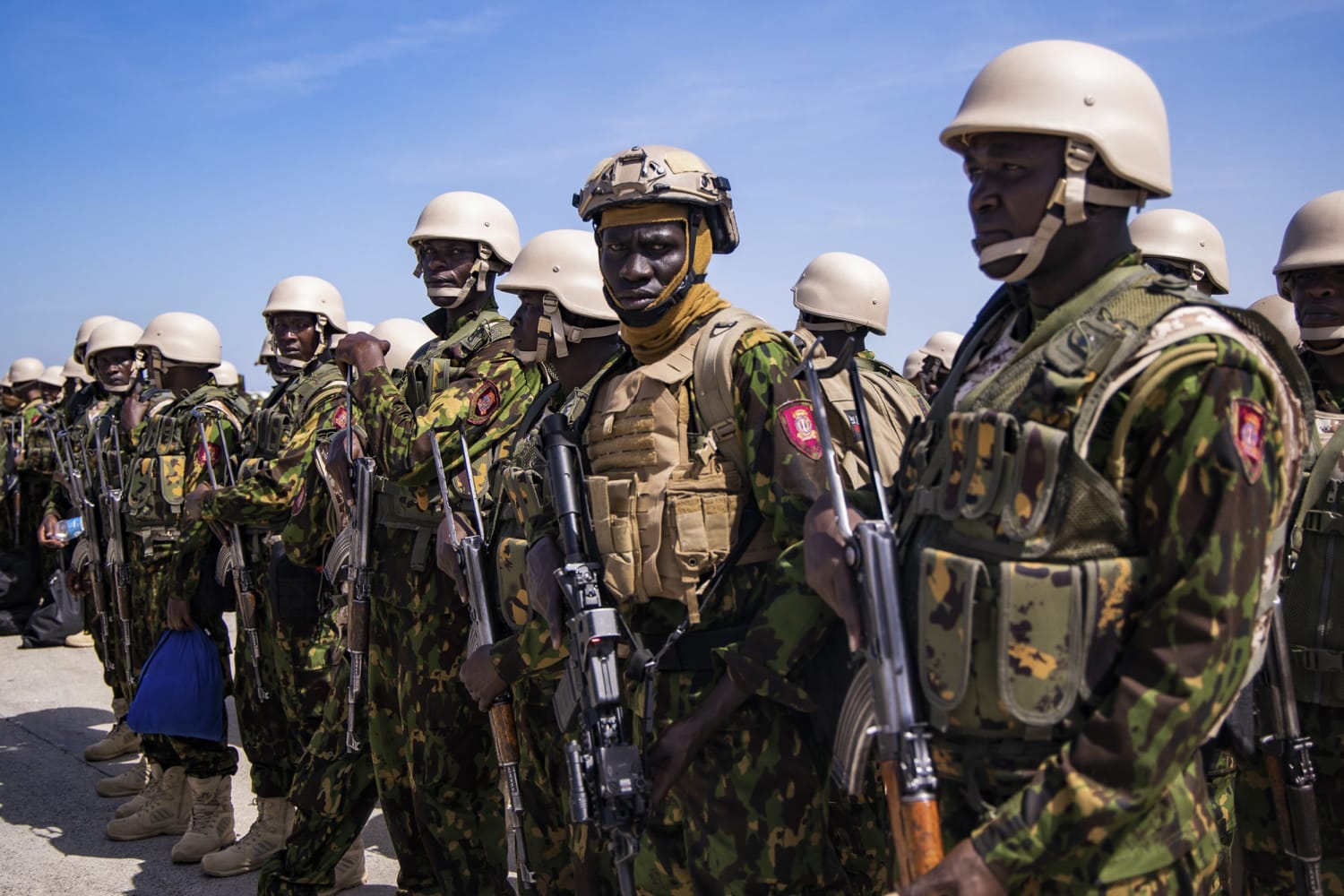
Eighteen nations have pledged personnel for a strengthened anti-gang mission in Haiti, the Organization of American States (OAS) has confirmed. The UN Security Council in September approved the transition of a Kenyan-led mission into a more robust, gang-fighting international force.
OAS Secretary General Albert Ramdin said the first 1,000 troops are expected to deploy as early as January, with full deployment by April. Ramdin stressed that coordination and training among contributing countries are essential, ensuring all personnel operate under unified rules and procedures.
African nations will play a major role, with contributions also expected from Sri Lanka, Bangladesh, and several Latin American countries. Kenya recently sent around 100 additional police officers to support the international mission, which remains underfunded and under-equipped with only 1,000 of 2,500 planned personnel.
Ramdin said the force aims to act swiftly, targeting gang leaders for capture and neutralization to curb their influence over the capital. The OAS chief, visiting Port-au-Prince this week, acknowledged the Haitian government remains active, but control is limited in many areas of the city.
Gangs now dominate roughly 90 percent of Port-au-Prince, committing murders, kidnappings, rapes, and looting amid chronic political instability. Haiti, the poorest nation in the Americas, has not held elections in nine years and is governed by a fragile Transitional Presidential Council. Authorities hope to organise national elections in August 2026, aiming to restore political stability alongside the international security effort.