
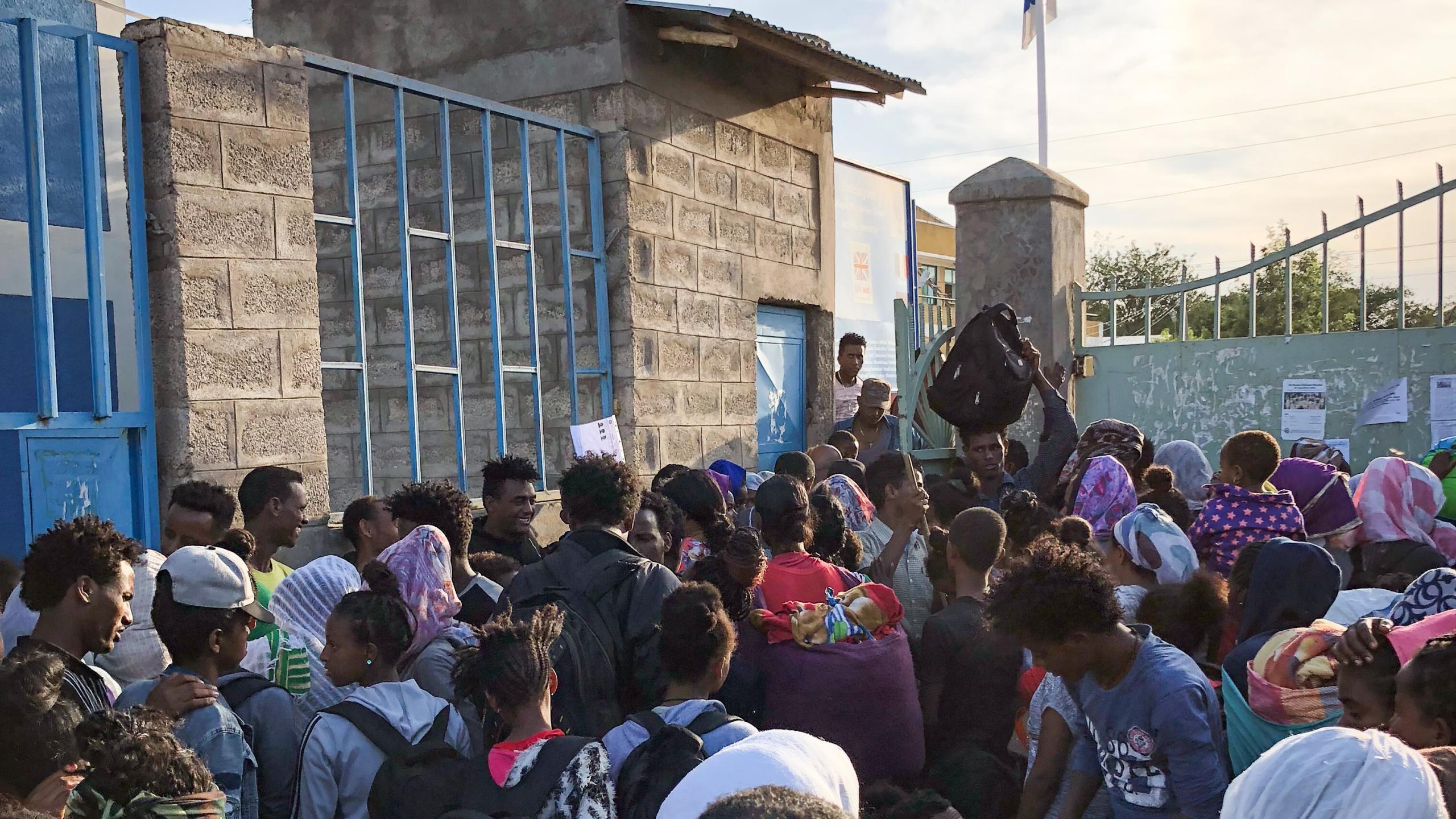
The Horn of Africa briefly tasted reunion in 2018, as families long divided by the Ethiopia-Eritrea border embraced after two decades apart. For many, the reopened crossings transformed a hardened political line into a fragile bridge of memory, hope, and shared blood.
A veteran journalist of mixed Ethiopian and Eritrean heritage recalled leaving her sister behind, carrying only toys and fading childhood images. Two decades later, she said, that sister returned, embodying what the brief border opening meant for broken families.
The 2018 peace deal peaked politically when Prime Minister Abiy Ahmed won the Nobel Peace Prize for ending the standoff. The agreement promised peace, restored diplomacy, and renewed travel and trade after years of frozen hostility.
Families separated by war seized the moment, rushing across borders and filling airports with tears, laughter, and disbelief. Yet by 2019, Eritrea closed the crossings again, citing internal concerns and stalled implementation of the peace accord.
The closure reopened emotional wounds for families whose histories were severed when Eritrea gained independence in 1993. Eritrean-Swede Haben Girmay said the border had cut directly through her family, leaving relatives stranded on opposite sides.
Others, like Genet Haile, missed the fleeting chance to return home, fearing war may erase future opportunities. Tensions have since resurfaced, driven by Ethiopia’s push for Red Sea access and Eritrea’s fear of existential threat.
Analysts warn political rhetoric risks eclipsing deep social bonds, though some argue both countries cannot afford war. Others caution that Horn of Africa conflicts show how words quickly harden into violence despite devastating consequences.
Experts say the 2018 peace failed structurally, lacking durable solutions to decades of mistrust between political elites. Until leaders address those foundations, families remain divided, relying on blood ties to endure shifting geopolitical storms.