
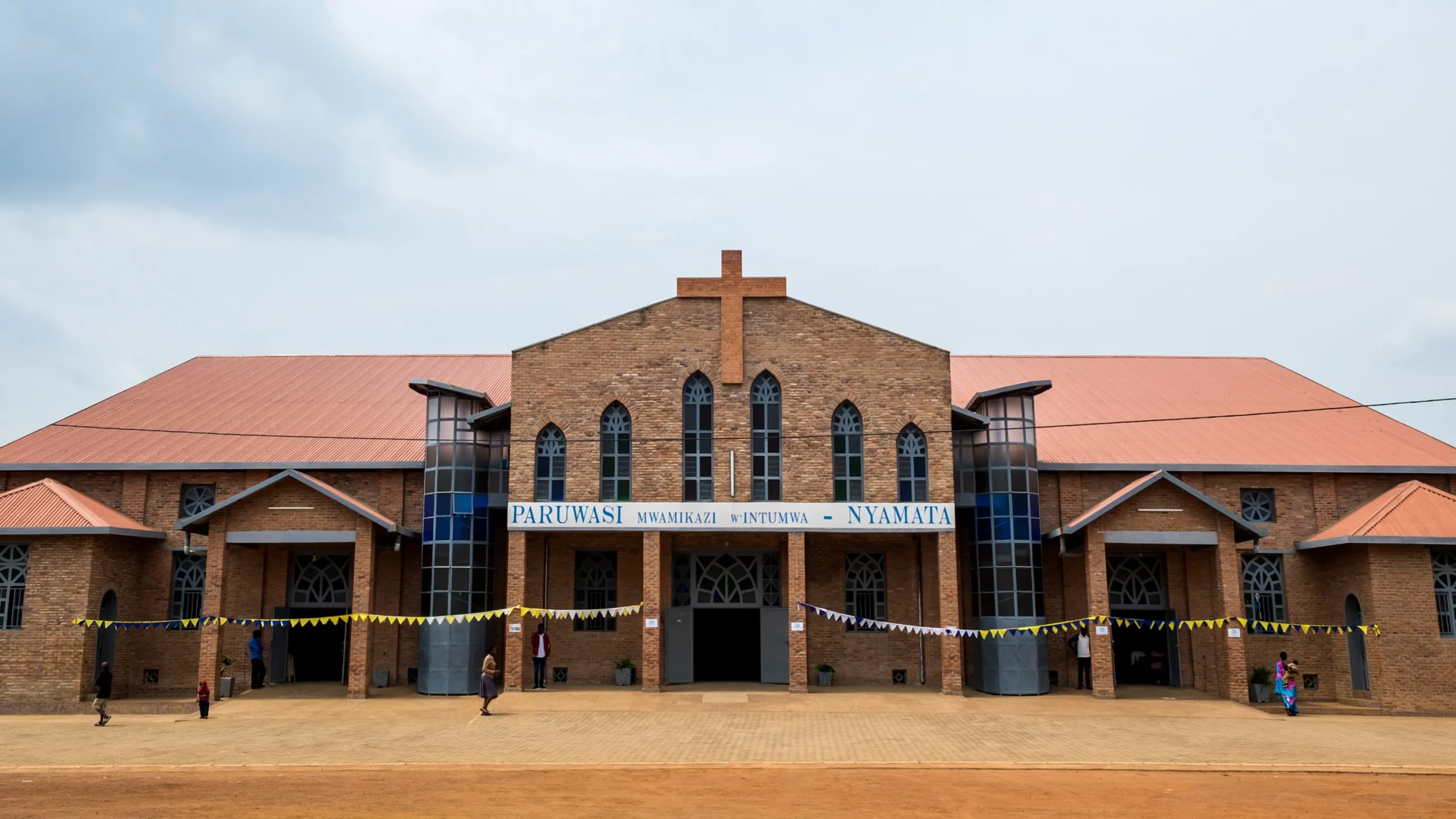
Grace Room Ministries once drew massive crowds in Kigali, filling stadiums three times a week before its sudden closure in May. The evangelical church was among thousands shuttered by the government for failing to comply with a 2018 law regulating worship, finances, and safety.
The legislation demands preachers possess theological training and submit annual plans aligning their activities with Rwanda’s national values, including financial transparency.
President Paul Kagame has criticised the rapid growth of evangelical churches, calling some “dens of bandits” amid the nation’s pressing development challenges.
“If it were up to me, I wouldn’t reopen a single church,” Kagame told reporters, questioning the institutions’ societal contributions beyond spiritual guidance.
Most Rwandans identify as Christian, yet many now travel long distances to find functioning places of worship, creating hardship and frustration nationwide.
Observers argue the closures reflect more than regulatory concerns, suggesting Kagame’s government seeks to control organisations that could rival its political influence.
Louis Gitinywa, a Kigali-based lawyer, said the ruling party resents any group or individual gaining substantial influence within society.
The 2018 law requires churches to submit annual reports and channel donations through registered accounts, affecting particularly newer evangelical organisations.
Pastor Sam Rugira, whose churches were closed over safety violations, said the rules disproportionately target rapidly expanding congregations in urban areas.
Kagame has described the church as a relic of colonial influence, warning citizens against being “deceived by the colonisers” in November remarks. Grace Room Ministries’ closure shocked many, including Pastor Julienne Kabanda, whose church had drawn thousands to Kigali’s BK Arena.
Some church leaders warn the president’s “open disdain” signals difficult times ahead, noting even compliant churches remain shuttered under government orders.
Political analysts also link closures to post-genocide security concerns, arguing some religious institutions could be exploited by exiled militia groups.
Critics urge the government to collaborate with churches rather than broadly suppress them, focusing on compliance while preserving faith-based social services.