
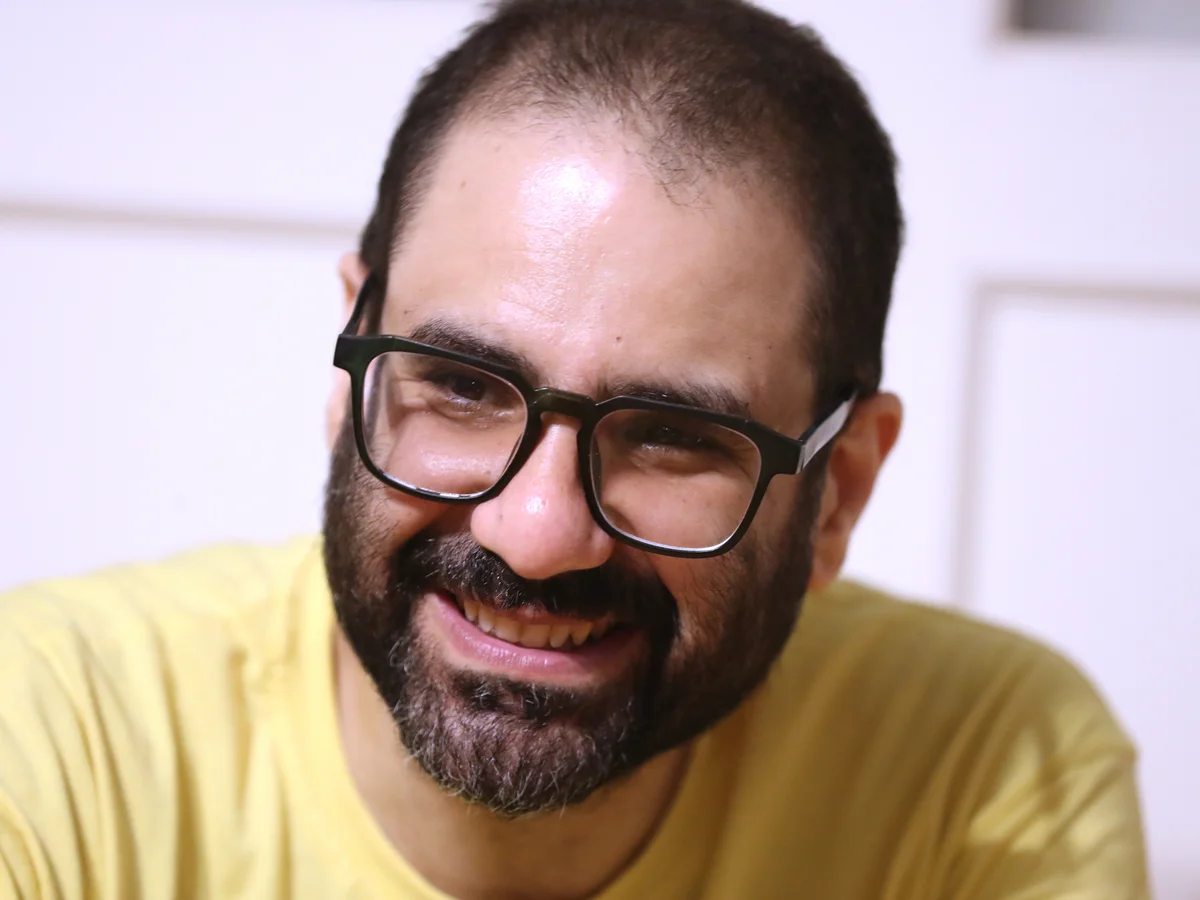
British-Egyptian radical Islamist Alaa Abd El Fattah was forced into damage control just days after arriving in the UK, after old social media posts resurfaced showing him endorsing violence against Zionists, English people and police officers — triggering cross-party calls for his deportation.
Abd El Fattah, long promoted in leftist Western political and media circles as a symbol of “democracy” and “free expression,” issued a useless apology after the posts triggered public backlash. He said he understood how “shocking” and “hurtful” the messages were, though critics note the apology only came once political pressure became unavoidable.
The resurfaced posts, some of which explicitly called for violence and genocide, punctured the carefully constructed image that had surrounded years of international campaigning for his release from prison in Egypt. They also raised uncomfortable questions about the level of scrutiny applied by politicians, NGOs, and media outlets that championed his case.
Senior Conservatives and Reform UK figures urged the Home Office to examine whether Abd El Fattah’s British citizenship could be revoked. Even within Labour, there were reported private concerns, despite Prime Minister Keir Starmer having publicly welcomed his return — a decision later criticised once the content of the posts became known.
Abd El Fattah claimed several messages were taken out of context, written in private exchanges, or posted during moments of anger. But critics argue that context does little to soften calls for violence, particularly when entire groups are targeted. Acknowledging antisemitism “seriously” while disputing interpretation did little to stem the backlash.
Downing Street moved to distance itself, stressing that while Abd El Fattah entered the UK legally as a British citizen, the government condemned the content of the posts as “abhorrent.” Officials confirmed there were no legal grounds to block his entry, even had the posts been known in advance.
His British citizenship, granted in 2021 through his London-born mother, was not subject to a good-character assessment due to an earlier court ruling — a technicality now central to the controversy.
Any attempt to revoke citizenship would face a high legal threshold, requiring evidence of fraud or a serious national security threat. Government sources indicated such a move would likely face immediate legal challenge.
Jewish community representatives expressed deep concern, saying the resurfaced posts were threatening and raised serious questions about the vetting process behind years of lobbying on his behalf. Opposition figures described the language as racist and extremist, rejecting attempts to excuse it as emotional or contextual.