
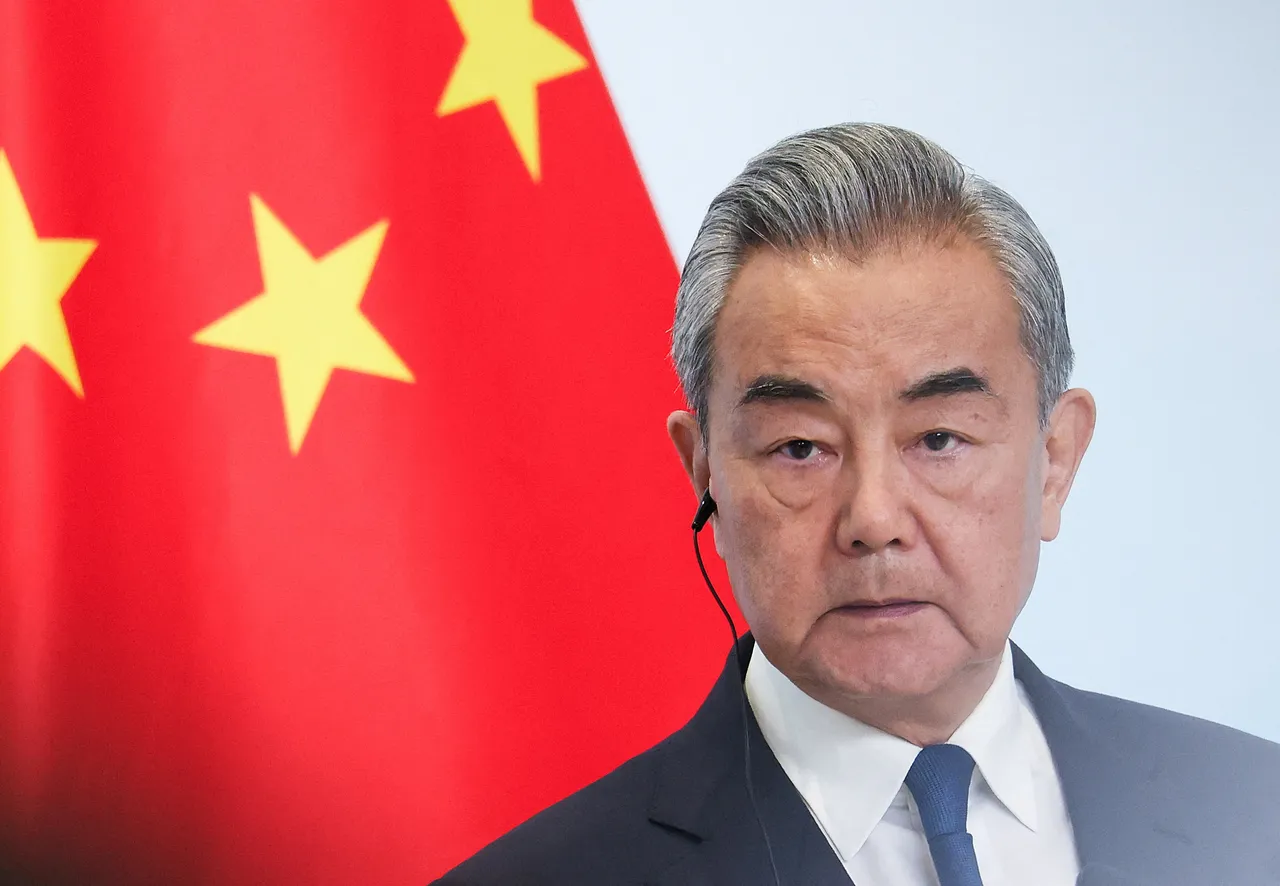
China’s top diplomat has begun his annual New Year tour of Africa, with Beijing placing renewed emphasis on minerals, trade routes and strategic partnerships across the continent.
Foreign Minister Wang Yi is visiting Ethiopia, Somalia, Tanzania and Lesotho, continuing a long standing tradition in which China’s foreign minister makes Africa the first overseas destination of the year.
Wang’s stop in Somalia, the first by a Chinese foreign minister since the 1980s, is seen as a significant diplomatic signal. The visit comes weeks after Israel became the first country to formally recognise Somaliland, a self declared breakaway region in northern Somalia. Beijing swiftly reiterated its support for Somalia’s territorial integrity following that move, underlining its opposition to any recognition of Somaliland.
China is seeking to strengthen its influence around the Gulf of Aden, a strategic gateway to the Red Sea and a vital corridor for Chinese trade moving through the Suez Canal towards European markets. Somalia’s location makes it central to Beijing’s broader maritime and security interests in the region.
Further south, Tanzania is key to China’s efforts to secure access to Africa’s vast copper resources. Chinese companies are currently refurbishing the Tazara Railway, a major transport link connecting Tanzania to Zambia, aimed at improving the movement of minerals and goods. The project follows a recent high level visit to Zambia by China’s premier, highlighting Beijing’s growing focus on southern Africa’s resource potential.
In Lesotho, Wang’s visit is intended to showcase China’s push to portray itself as a defender of free trade, particularly for developing economies. Last year, Beijing granted tariff free access to its vast domestic market for the world’s poorest countries, honouring a pledge made by President Xi Jinping at the China Africa Cooperation summit in Beijing.
Lesotho was among the countries most affected by sweeping US tariffs imposed last year, with some of its exports facing duties of up to 50 percent. Chinese officials have pointed to Beijing’s trade policies as an alternative for vulnerable economies facing growing protectionism elsewhere.