
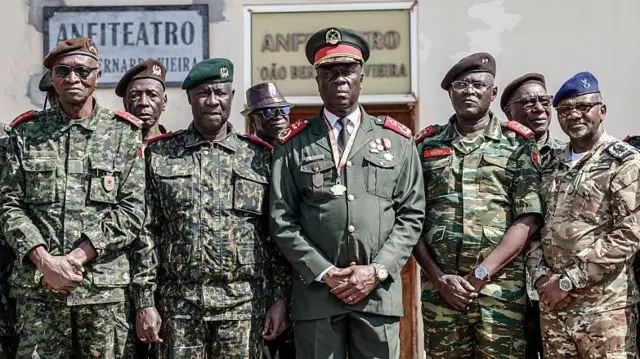
Guinea-Bissau’s military junta announced on Friday a sweeping ban on unauthorised press conferences and public statements, tightening control six weeks after a coup.
The army seized power on November 26 after a presidential vote, suspended the electoral process, and declared a one-year military transition.
In a statement, the High Military Command accused political figures and ethnic groups of secret meetings that incited violence and disobedience.
The junta said such actions threatened the transitional charter, a legal framework unveiled in early December to govern military rule.
It warned that any unauthorised public statements jeopardising peace and social cohesion were now expressly prohibited.
Those who challenge the transitional authorities’ public order will face severe reprimand, the statement said, invoking compliance with the law.
After toppling Umaro Sissoco Embalo, the junta initially claimed drug traffickers plotted to sow chaos in the cocaine-trafficking hub.
Authorities later described a “grave” political situation after the ballot, warning instability could spiral into civil war with ethnic undertones.
Observers and opposition figures suggest Embalo engineered the takeover to halt an election he appeared to be losing.
Guinea-Bissau, independent since 1974, has endured four successful coups and repeated insurrections, its fragile politics scarred by recurring military intervention.