
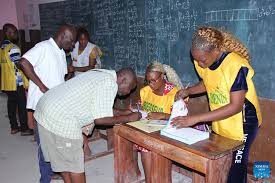
Benin voted on Sunday in parliamentary and local elections expected to tighten the ruling coalition’s grip after last month’s failed coup attempt. The ballot came just weeks after army mutineers launched a deadly uprising, briefly shaking the West African nation of 14 million people.
The military swiftly crushed the plot with support from Nigeria and France, leaving the country cautious and politically tense. Outgoing President Patrice Talon urged citizens to vote, calling the day “the beginning of a better life” as he cast his ballot.
Talon, 67, is constitutionally barred from a third term after a decade marked by economic growth and deepening political controversy. The main opposition Democrats party was barred from local polls and faces exclusion from April’s presidential election over signature requirements.
Legislative results, expected within days, will shape the political terrain ahead of that presidential contest. Talon’s chosen successor, Finance Minister Romuald Wadagni, is widely seen as the frontrunner to inherit the presidency.
Voters are filling 109 parliamentary seats, with Talon’s three-party alliance seeking to expand its already commanding majority. Some observers warn the opposition could lose all its seats, tightening a parliament already dominated by the ruling bloc.
Polling stations opened calmly in the coastal capital Cotonou, where voters moved quietly through schools and community halls. “I’m proud of the organisation and hope everything goes well,” said craftsman Claude Somakpo outside a neighbourhood polling centre.
The campaign unfolded without major rallies, as parties relied on door-to-door outreach rather than mass demonstrations. Election commission head Sacca Lafia promised a free and secure vote, warning that no ambition should endanger national unity.