
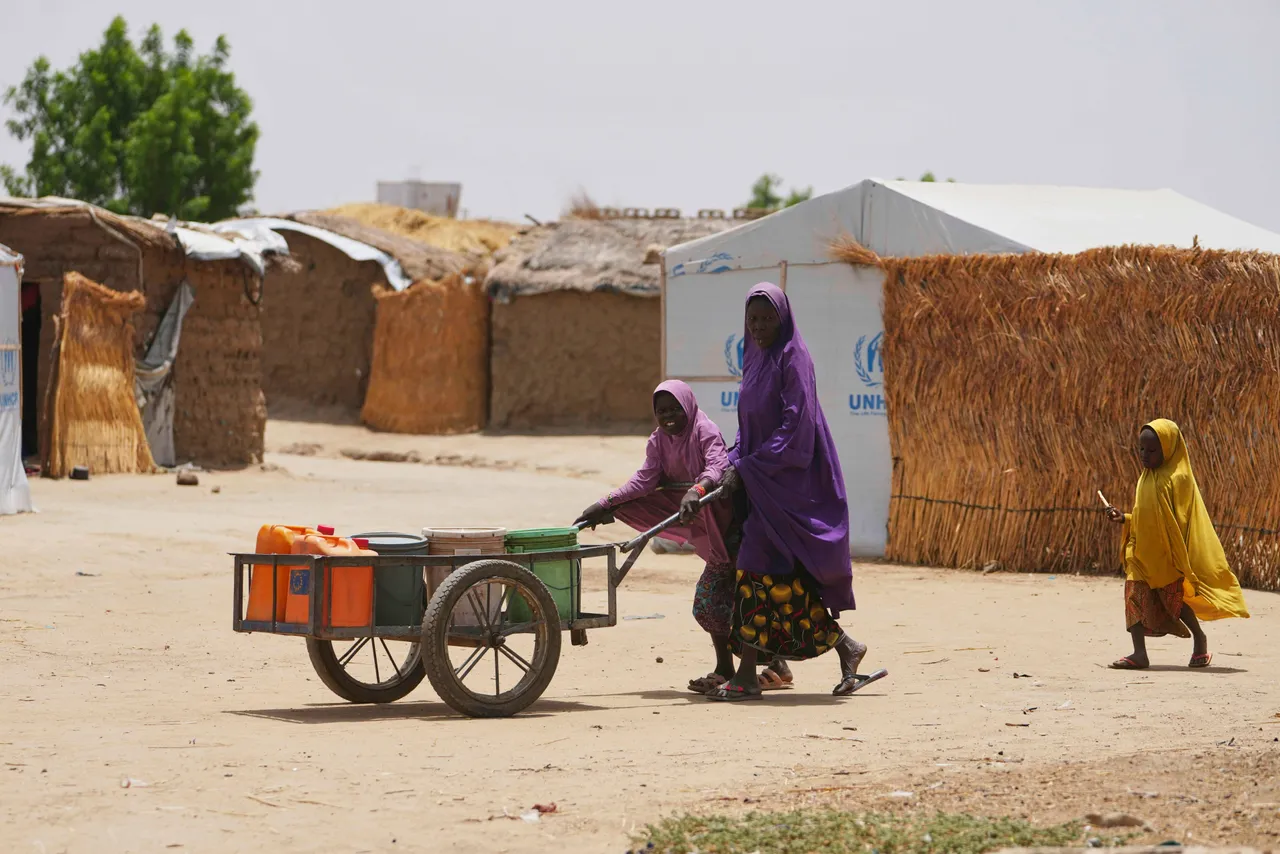
Nigeria’s northeast is facing its worst hunger crisis in nearly a decade, with thousands at risk of catastrophic food shortages as funding cuts deepen an already fragile humanitarian situation, the UN World Food Programme has warned.
The agency said around 15,000 people in Borno state are at immediate risk, marking the first time in almost ten years that communities in the region face such extreme levels of food insecurity. Borno has been severely affected by years of conflict and displacement, leaving millions dependent on humanitarian assistance.
Across West and Central Africa, an estimated 55 million people are facing acute food shortages. More than three quarters of those affected are in Nigeria, Chad, Cameroon and Niger, underscoring the scale of the regional crisis.
While the UN did not single out specific donors, humanitarian agencies have repeatedly raised concerns over shrinking aid budgets. Funding reductions by major donors, including cuts linked to shifting political priorities and increased defence spending, have significantly reduced the resources available for emergency food and nutrition programmes.
The impact is particularly severe on children. The WFP said more than 13 million children across the region are expected to suffer from malnutrition this year. Years of conflict, displacement and economic strain have driven hunger, but recent cuts to humanitarian aid are now pushing vulnerable communities beyond their capacity to cope.
WFP officials said reduced funding throughout 2025 has already forced the agency to scale back nutrition programmes in Nigeria, affecting more than 300,000 children. The organisation has previously warned that nearly 35 million people across the region could face hunger as resources continue to dry up.
Elsewhere, insecurity in Mali has disrupted key food supply routes, leaving about 1.5 million people facing crisis levels of hunger. In Cameroon, more than half a million people risk being cut off from aid in the coming weeks due to funding gaps and access constraints.
The UN agency said it urgently needs more than $453 million over the next six months to maintain humanitarian assistance and prevent the situation from deteriorating further across West and Central Africa, according to media reports.