
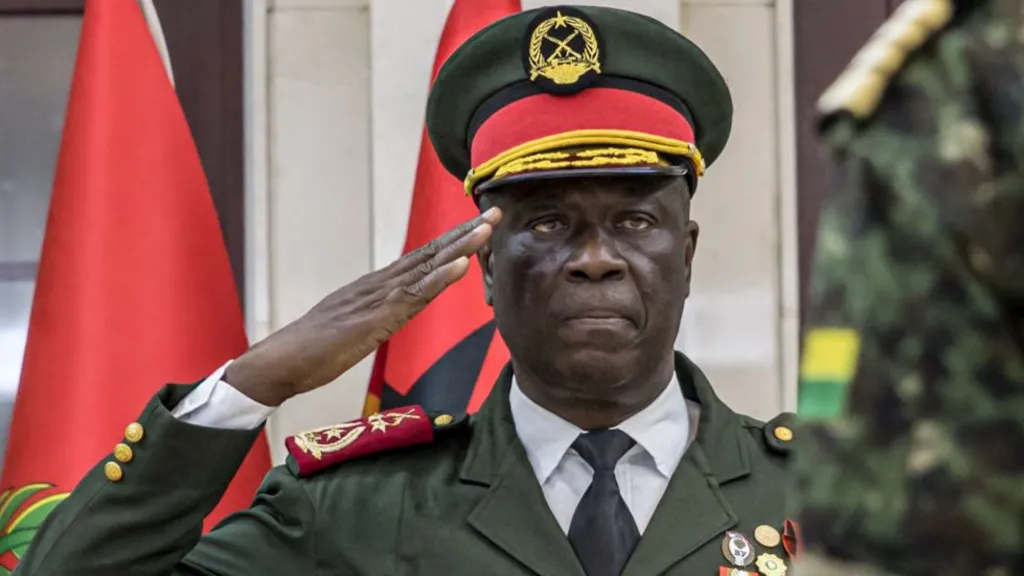
Military authorities in Guinea-Bissau have announced that presidential and legislative elections will be held on 6 December, despite regional pressure for a faster return to civilian rule, according to media.
Transitional President Horta N’Tam signed a decree formalising the election date after consultations with members of the National Transitional Council, senior military officials, government representatives, and the electoral commission.
Speaking to reporters, N’Tam said the necessary conditions were in place to ensure free and fair elections.
The announcement comes months after the military seized power from President Umaro Sissoco Embaló in November, prompting strong reactions from regional and international actors. The West African regional bloc has been pressing the coup leaders to organise elections within a short transitional period.
The bloc previously rejected the junta’s proposal for a one-year transition, suspended Guinea-Bissau from its decision-making bodies, and warned of additional sanctions. It remains unclear how it will respond to the newly announced election timetable.
The November 2025 coup drew widespread criticism, particularly as it took place on the eve of the official announcement of presidential election results. At the time, both Embaló and his main rival, Fernando Dias, claimed victory.
The military justified its intervention by alleging the existence of a plot to destabilise the country, which has a long history of political instability and military interference in governance. However, some regional figures argued that the takeover was a deliberate seizure of power rather than a preventive move.
Guinea-Bissau has experienced numerous attempted and successful coups since gaining independence from Portugal in 1974, reinforcing concerns over the durability of civilian rule.
While the transitional charter bars N’Tam and his prime minister from contesting the elections, observers remain cautious. Recent developments across West Africa have shown a pattern of military leaders extending transitions or consolidating power beyond initial commitments, raising questions about whether Guinea-Bissau will follow a different path.