
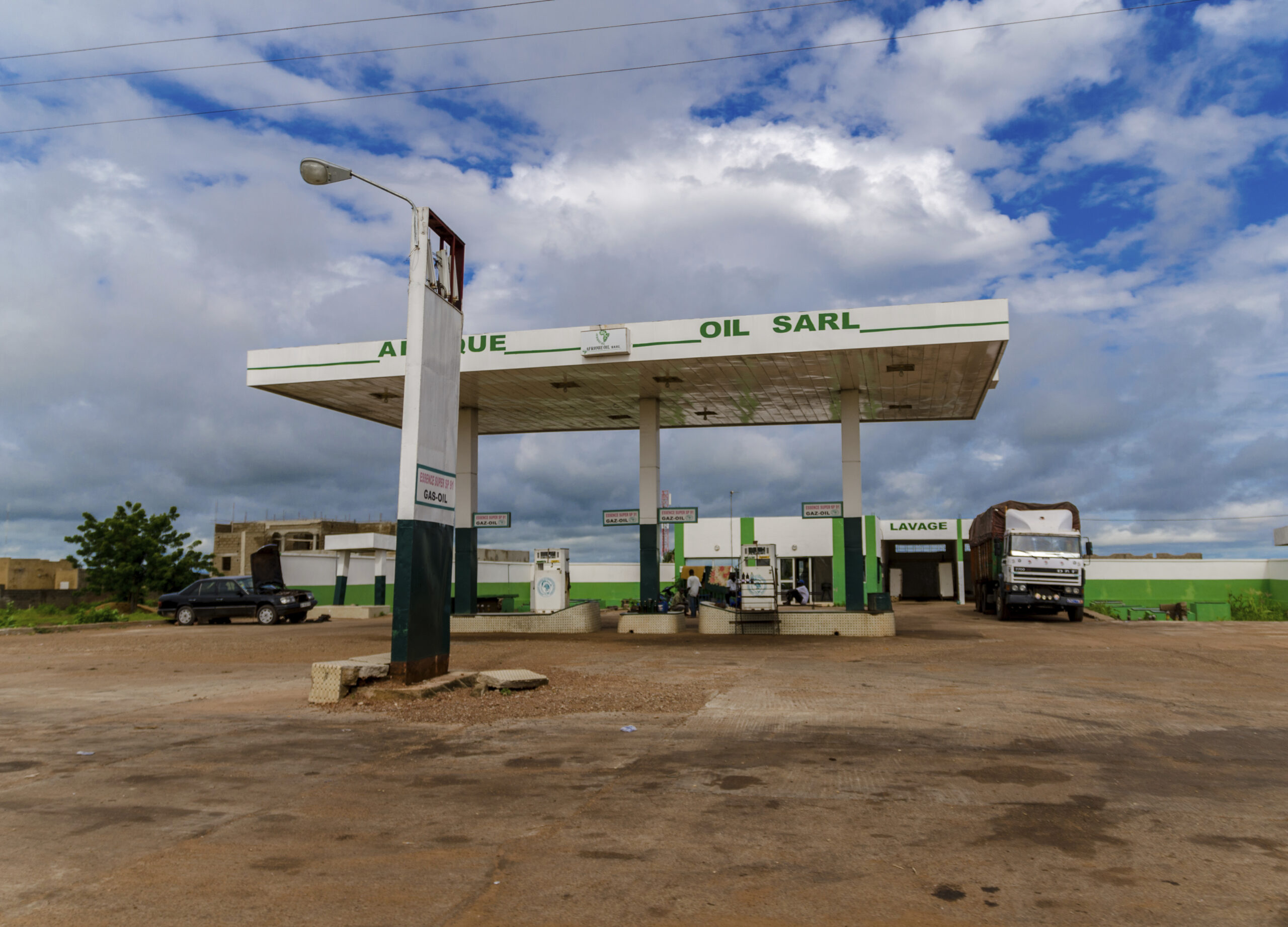
Mali’s government announced fuel rationing on Thursday to tackle severe shortages caused by al-Qaida-linked attacks on supply routes.
The measure, officials said, aims to reduce long queues at gas stations ahead of the Muslim holy month of Ramadan, now just weeks away.
Russian troops from the Africa Corps have recently begun escorting tanker convoys, ensuring gasoline reaches cities despite militant threats along highways.
Since the 2021 military coup, Mali, like Burkina Faso and Niger, has shifted from Western allies to Russia for security assistance against jihadist groups.
Al-Qaida-linked militants have increasingly targeted fuel trucks since September, burning over a hundred vehicles and crippling the country’s fuel imports and distribution.
Mali’s fuel importers union reported that only about 2,000 tanker trucks have entered the country this year, far below pre-attack levels of 6,000 per month.
Under the rationing plan, vehicle plates will be registered, and cars may refuel only every 72 hours, while motorcycles will have 48-hour intervals.
Trade Minister Moussa Alassane Diallo said the system will give authorities “complete control” over gas stations and allow monitoring of fuel quantities sold.
Ibrahim Touré, head of the petroleum importers union, confirmed that fuel convoys under military escort are essential to ending the current crisis in Mali.
But many residents, especially taxi drivers, fear the limits will affect their daily lives and income, struggling to fill vehicles for regular work.
Oumar Coulibaly, a Bamako taxi driver, said he needs frequent refuelling to operate, warning the new measures may strain drivers’ livelihoods.
Experts suggest the rationing is partly aimed at curbing public frustration caused by prolonged fuel shortages and supply insecurity.
Beverly Ochieng, senior analyst at Control Risks, noted that militant activity will continue to challenge fuel transportation and that supply stability may vary in the coming weeks.
The government has not announced an exact start date for the rationing but maintains it is necessary to ensure fair fuel distribution across the country.