
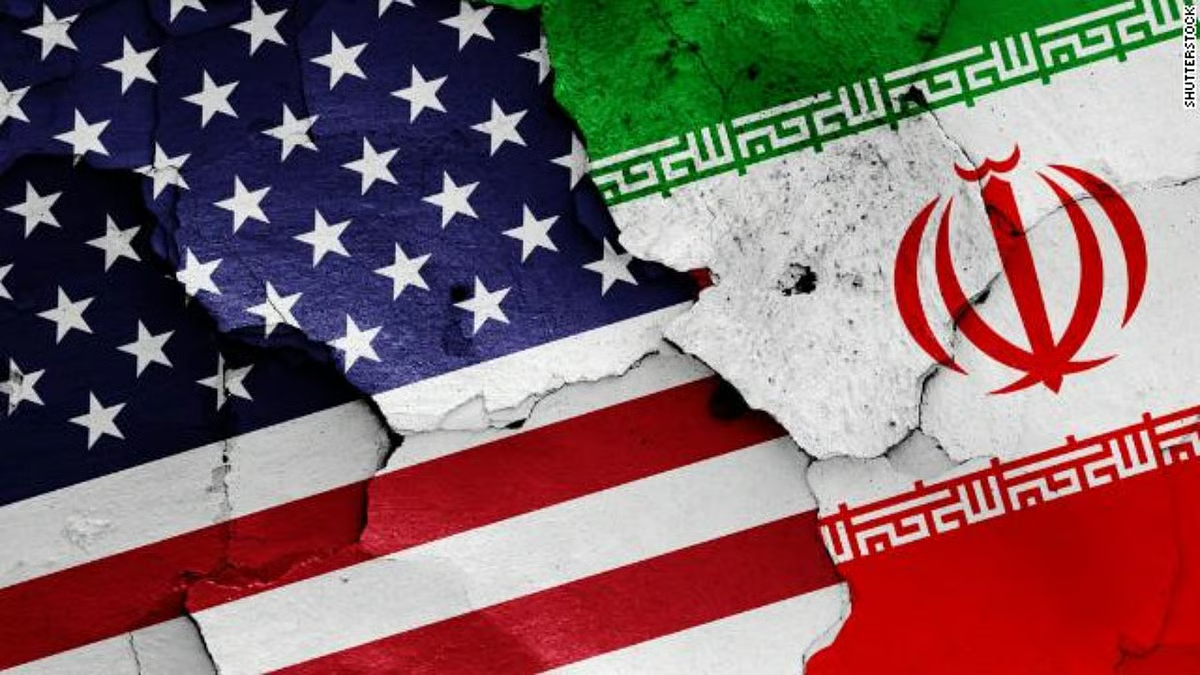
An Iranian delegation led by Foreign Minister Abbas Araghchi arrived in Geneva on Wednesday for high-stakes nuclear talks with the United States. The meeting comes as President Donald Trump intensifies pressure, warning Tehran of military strikes if negotiations fail.
In his State of the Union address, Trump accused Iran of pursuing “sinister nuclear ambitions” and ordered expanded deployments around the Gulf. Washington announced fresh sanctions targeting more than 30 individuals, entities and vessels linked to Iranian oil sales and weapons production.
Treasury Secretary Scott Bessent said the administration would maintain “maximum pressure” to curb Iran’s weapons capabilities and regional activities.
Vice President JD Vance urged Tehran to take the threat of military action “seriously” ahead of the negotiations. Despite mounting pressure, Iranian President Masoud Pezeshkian struck a measured tone, expressing a “favourable outlook for the negotiations”.
“We are continuing the process under the guidance of the supreme leader,” Pezeshkian said, seeking to move beyond a “neither war nor peace” impasse.
Iranian officials reject Western claims that Tehran seeks an atomic bomb, insisting its nuclear programme remains peaceful.
Foreign ministry spokesman Esmaeil Baqaei dismissed Trump’s allegations as the repetition of “big lies”. Araghchi met Omani Foreign Minister Badr Albusaidi in Geneva to outline Iran’s position on sanctions relief and nuclear policy.
The talks follow five inconclusive rounds last year that collapsed after Israel’s unprecedented attack on Iran sparked a brief regional war. During his first term, Trump withdrew from the 2015 nuclear accord, reimposing sweeping sanctions on Tehran.
In recent weeks, Washington has deployed two aircraft carrier groups and additional warplanes to reinforce its warnings. Iran has vowed a firm response to any attack, even a limited strike, deepening regional uncertainty.
On Tehran’s streets, residents voiced anxiety, some predicting war while others called American threats a bluff. Analysts say the military build-up raises political stakes for Trump, narrowing his room for retreat without a deal.