
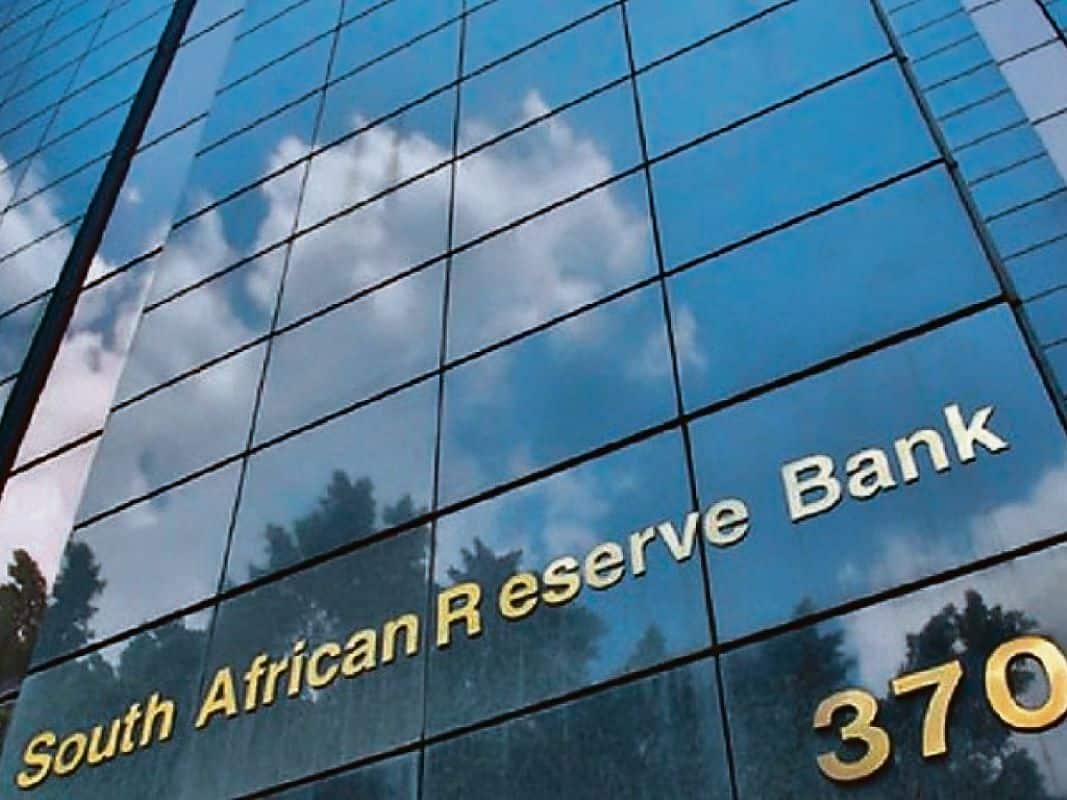
South Africa’s central bank will revise its risk scenarios for the next policy meeting as Middle East tensions push oil prices higher.
The central bank is scheduled to decide on interest rates on March 26, following a split vote in January keeping rates at 6.75%.
At the previous meeting, officials said they wanted to see inflation expectations ease further before adjusting the country’s main lending rate.
Governor Lesetja Kganyago said the bank had three scenarios in January: baseline, optimistic, and an adverse scenario based on $75 oil and a weaker rand.
“That previous adverse scenario is gone. It belonged to the past,” Kganyago said, adding that the bank would now draft a completely new scenario.
The Middle East crisis, triggered by Israel and U.S. strikes on Iran, has pushed Brent crude futures above $94 per barrel this week.
Meanwhile, the rand has strengthened to 16.82 against the U.S. dollar, defying earlier expectations of sharp depreciation in the adverse scenario.
Kganyago noted that a 10% shift in the rand would affect South African inflation far more than a comparable spike in oil prices.
He added that policymakers focus only on persistent inflation pressures, not transitory shocks, requiring careful judgment amid volatile global conditions.
“The call as a policy maker is whether an impact is temporary or persistent. Only persistent pressures prompt a policy response,” Kganyago explained.
Officials will closely monitor exchange rate movements before making any decisive monetary adjustments, emphasizing patience and precision in the current uncertain environment.
The central bank’s March 26 meeting is expected to reflect the revised scenarios and evolving global market risks, signaling careful navigation of external pressures.