
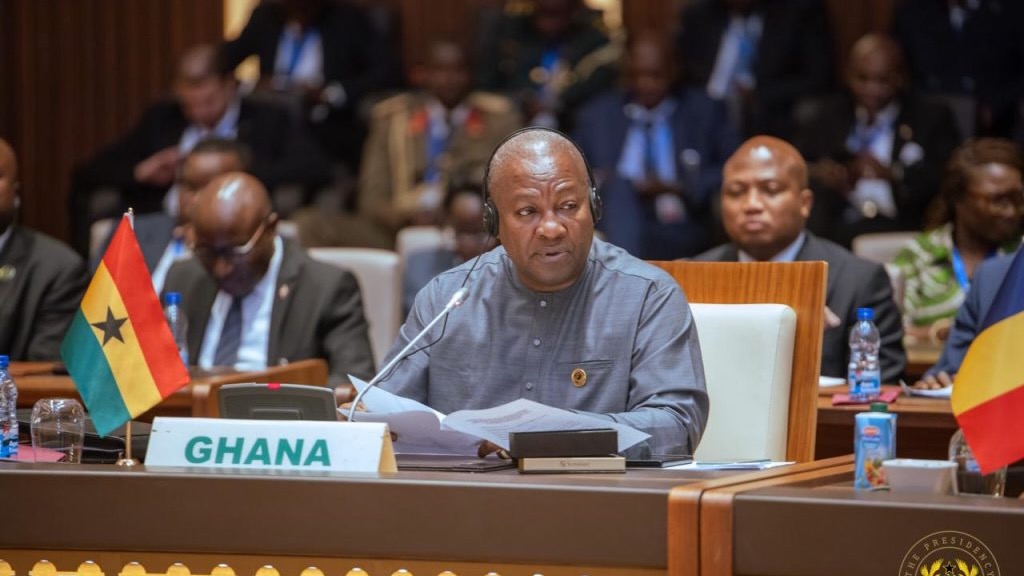
Ghana plans to submit a resolution to the United Nations General Assembly recognising the transatlantic slave trade as the “gravest crime in the history of humankind” and calling for reparations, the country’s foreign ministry said, expressing confidence that the proposal will gain broad international backing despite expected resistance from parts of Europe.
The West African nation, a leading advocate of reparations on the African continent, intends to table the resolution as early as this month.
According to the ministry, the proposal seeks formal international recognition of the transatlantic slave trade’s scale, duration and lasting global consequences.
“The proposed resolution seeks to recognise the transatlantic slave trade as the gravest crime in the history of humankind, taking into account its scale, duration, legalisation and enduring consequences,” the ministry said in a statement.
The move represents a renewed push by African states to address the legacy of slavery and colonialism through international mechanisms, including calls for financial compensation, formal apologies and policy reforms.
Calls for reparations have gathered momentum in recent years, but the issue remains deeply divisive. Several European leaders have opposed even opening discussions on reparations, arguing that contemporary governments and institutions should not be held responsible for historical actions.
Responding to the prospect of opposition, Ghana’s foreign ministry said the initiative aims to acknowledge historical truth rather than deepen divisions.
“A backlash against truth is one that we hope would not occur,” the ministry said. “Ghana is not seeking to reopen old wounds but to heal those wounds with truth.”
African and Caribbean countries have also been pushing for the creation of a special United Nations reparations tribunal, with legal experts noting that previous international tribunals were established through UN resolutions or by the Security Council.
The African Union has been working to coordinate a unified position among its 55 member states on potential reparations frameworks, ranging from financial compensation to official apologies and structural reforms. AU leaders endorsed the proposed resolution during a summit last month.
Member states of the Caribbean Community (CARICOM), which has developed its own reparations plan addressing the legacy of slavery and colonialism, are also expected to support the initiative.
Ghana said it remains optimistic that a broad coalition of UN member states will ultimately back the resolution.