
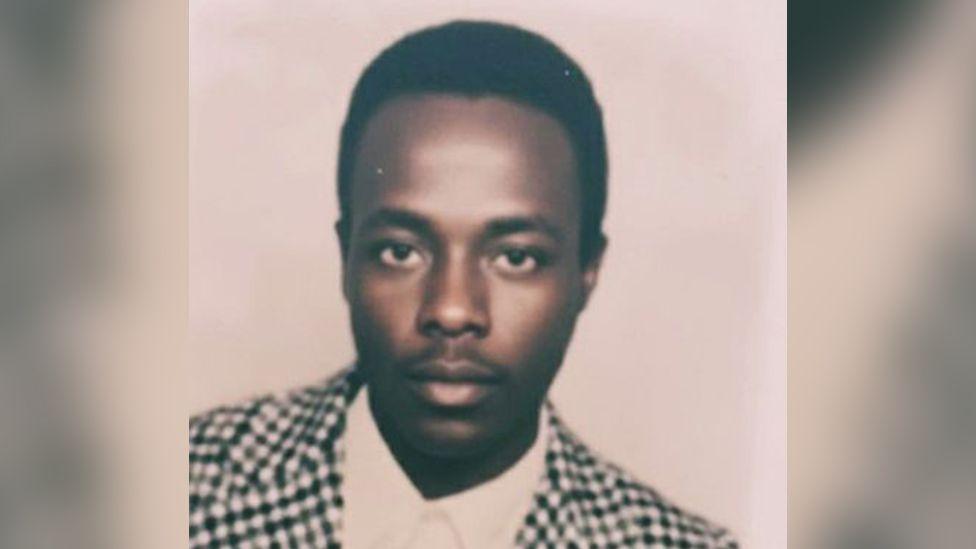
A prominent Eritrean satirical cartoonist has been released after spending 15 years in detention without charge, according to his family and friends.
Biniam Solomon, now in his early 60s, was arrested in the capital Asmara in 2011 and held without trial for more than a decade. Authorities never publicly explained the reasons for his arrest or continued imprisonment.
Known by his pen name “Cobra,” Solomon became well known for his sharp and humorous cartoons addressing political and social issues in Eritrea. His work appeared in several Eritrean newspapers during a brief period of relative media openness following the country’s independence from Ethiopia.
Family members told the BBC that Solomon had no contact with relatives during his detention and received only limited medical treatment. A relative said he spent the final years of his imprisonment in the “crime investigation” prison in Asmara, a facility widely reported to hold political detainees and conscientious objectors in harsh conditions.
Despite losing an arm in childhood, Solomon built a career as a cartoonist and artist. He also worked as a physics teacher at a secondary school in Asmara to supplement his income.
His cartoons were published in multiple newspapers between 1997 and the early 2000s, before Eritrea’s government shut down the private press in September 2001, citing national security concerns. Several journalists were arrested during that crackdown.
Solomon also authored three books featuring collections of his work, including Subtle Is the Ruler, Conversation with Cobra Number One, and Conversation with Cobra Number Two. His cartoons often used satire to reflect political uncertainty and shifting power dynamics within the Eritrean government.
One widely cited cartoon depicted a government minister listening to state radio in bed to find out whether he had been suspended from his job during a period in 2001 when senior officials were abruptly sidelined.
Human rights groups have long accused Eritrea of widespread abuses in its prison system, including holding thousands of detainees without charge, restricting contact with families, and providing inadequate food and medical care. Eritrean authorities have repeatedly rejected those allegations.
Solomon’s release comes amid reports that other long-term detainees have also been freed in recent months, although critics say the process remains opaque and outside formal legal procedures.
The United Nations has previously called for the release of as many as 10,000 people believed to be held without trial in Eritrea.