
A rebellion over renaming South Africa’s historic town of Graaff-Reinet has exposed deep national fractures tied to its troubled past.
The government recently decreed that the nearly 250-year-old town, known for whitewashed Cape Dutch houses and flamboyant red trees, would honour anti-apartheid icon Robert Sobukwe.
Since 1994, South Africa has changed around 1,500 place names to erase colonial and apartheid legacies, according to official records.
In the semi-desert Karoo, 650 kilometres from Cape Town, the renaming has sparked protests, petitions, and threats of legal action among 25,000 residents.
“Groups are now fighting each other,” said Hands Off Graaff-Reinet activist Laughton Hoffman, rallying support with 22,000 objection forms submitted to government.
The town, the fourth oldest in South Africa, has deep Afrikaner roots and was named in 1786 after Dutch colonial governor Cornelis Jacob van de Graaff and his wife.
Graaff-Reinet later became a launchpad for the Great Trek, when settlers fled British rule, solidifying its place in Afrikaner history.
Lawyer Derek Light said the renaming divides a previously “healthy and happy” community, citing a 2024 survey showing 84 percent opposed the change.
Many locals, identifying as “coloured,” feel marginalised by policies like black economic empowerment, and oppose the renaming on cultural and historical grounds.
Nestled in a loop of the Sundays River, the town’s jacaranda-lined streets and open verandas attract about 100,000 tourists yearly, with objections citing tourism concerns.
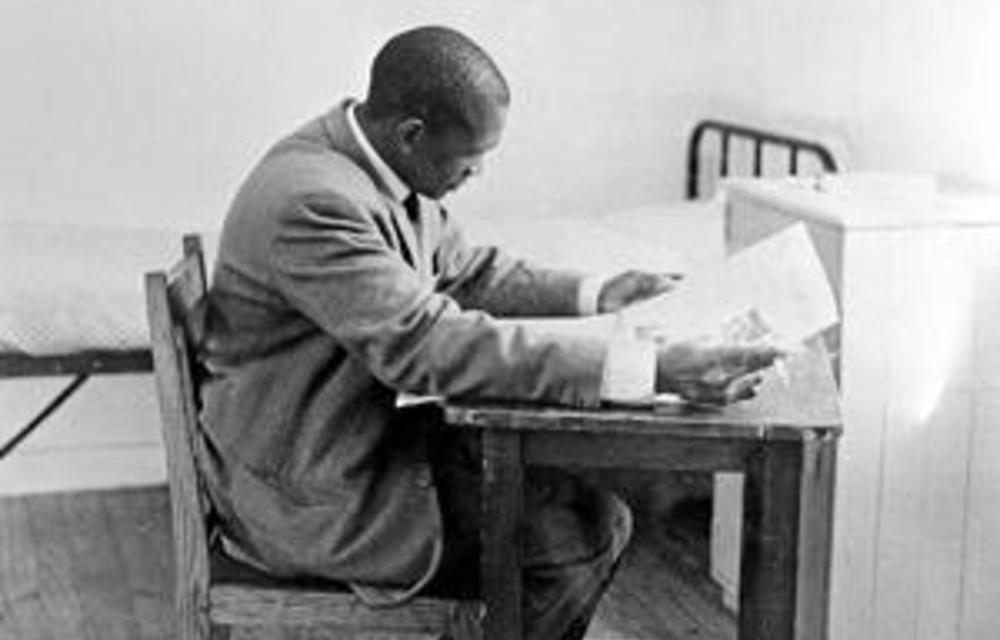
Sobukwe’s family views the renaming as long-overdue recognition of his leadership in the Pan Africanist Congress and anti-apartheid struggle.
“Someone from that area, who led this glorious struggle for harmony, is being ignored by the community itself,” said PAC deputy president Jaki Seroke.
The controversy underscores lingering apartheid-era divisions while officials insist the renaming is intended to unify South Africans and honour the nation’s shared history.