
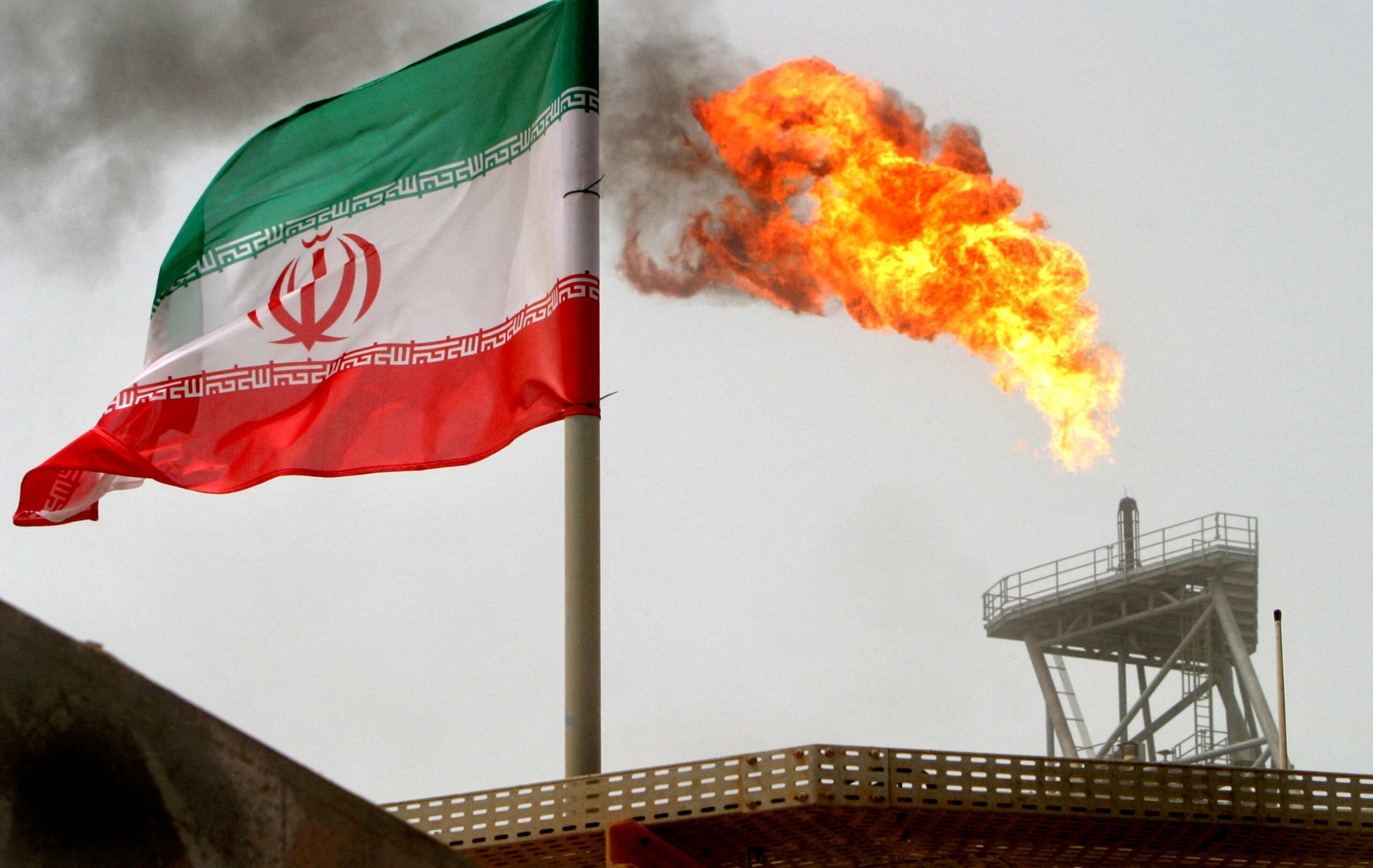
US Treasury Secretary Scott Bessent said Thursday that Washington may lift sanctions on Iranian oil already en route to global markets.
The announcement comes as energy prices surge, fueled by the Middle East war, squeezing American consumers at the gas pump.
Bessent spoke to Fox Business as oil and gas prices spiked following Iran’s attack on Qatar’s largest LNG facility.
The US government could also release more oil from strategic reserves, aiming to relieve costs without lowering export restrictions.
Analysts caution easing sanctions risks empowering Tehran, the target of recent US-Israeli strikes, while some see a strategic negotiating tactic.
Bessent estimated roughly 140 million barrels of Iranian oil are currently on the water, representing about two weeks of Chinese supply.
Global crude and LNG flows through the Strait of Hormuz slowed to a trickle, raising fears of broader energy disruption.
International benchmark Brent surged 10 percent earlier Thursday, before settling at $110.67 per barrel, reflecting renewed market volatility and tension.
US gasoline prices have climbed sharply since February 28, when strikes triggered Iranian retaliation that halted regional commercial shipping.
Experts note that lifting sanctions would add only 1.5 days of global oil supply, offering minor relief internationally rather than US-focused gains.
Economist James Knightley suggested the move signals Washington’s intent to rally partners, including China, behind a coalition to reopen the Strait.
Other recent US measures include temporary allowances for sanctioned Russian oil and a 60-day waiver of a century-old shipping law.
Andy Lipow said the optics appear contradictory, as easing Iranian sanctions seems at odds with ongoing US-Israeli hostilities in the region.
Philip Luck added that while the impact on domestic prices would be limited, the tactic could strengthen diplomatic leverage over Tehran.
The strategy blends urgency with negotiation, aiming to manage energy shocks while keeping allies aligned amid a turbulent global oil market.