
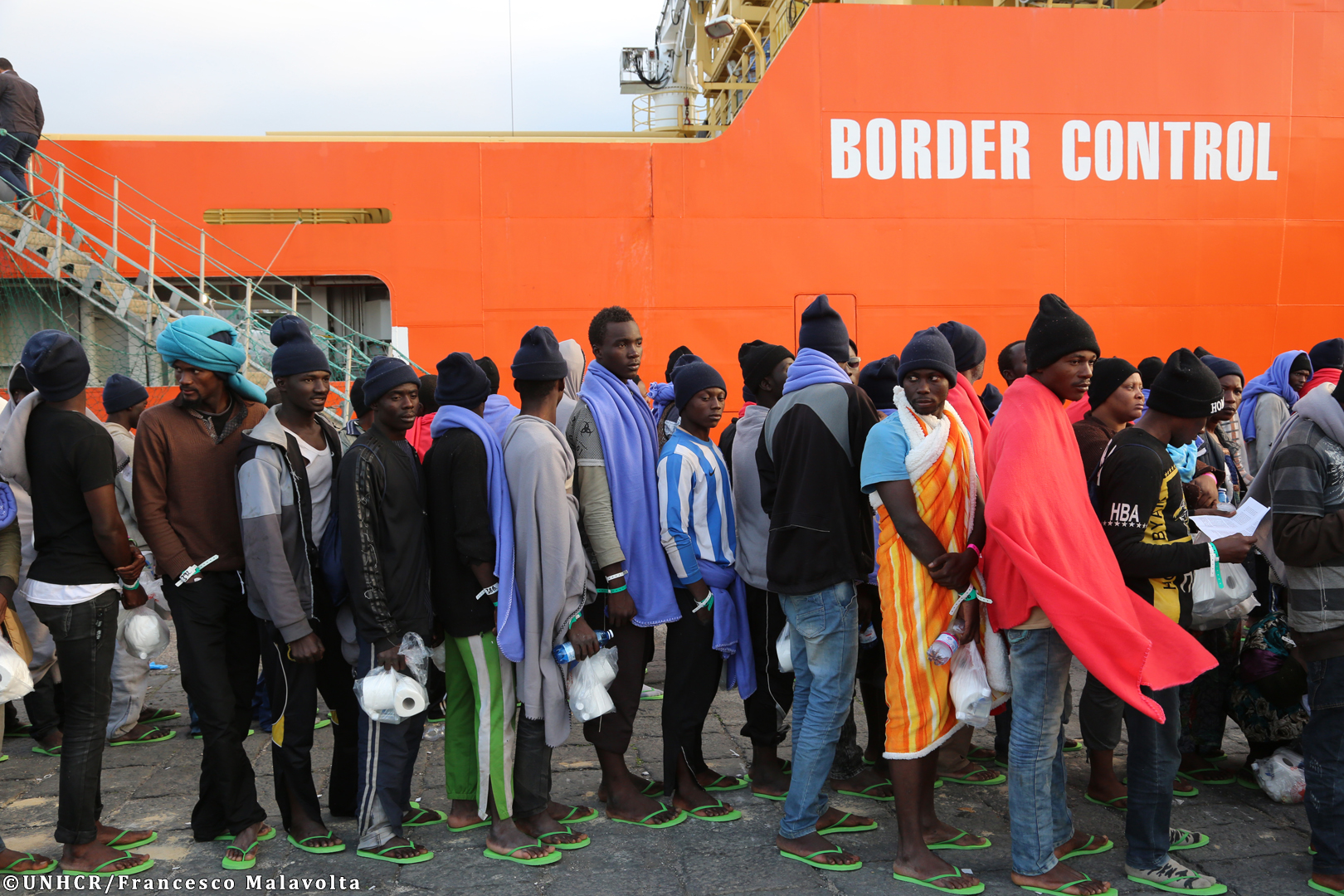
The European Union is exploring partnerships with a dozen countries to host so-called “return hubs” for failed asylum-seekers abroad.
Rwanda, Uganda, and Uzbekistan are among nations under scrutiny, alongside Ghana, Senegal, Tunisia, Libya, Mauritania, Egypt, Armenia, Montenegro, and Ethiopia.
EU plans, preliminarily approved by governments and Parliament, would allow member states to deport migrants with no right to remain inside the bloc.
Denmark, Austria, Greece, Germany, and the Netherlands said in March they were already coordinating steps and drafting proposals for these overseas centres.
Officials described the list as tentative and non-exhaustive, emphasizing talks remain in early stages and aim only to test potential host countries.
The hubs could also serve as venues for innovative solutions, such as processing asylum applications outside Europe, officials said, in an evolving strategy.
European governments have sought tougher migration policies amid declining public patience and rising far-right electoral gains across multiple member states.
Currently, only about 20 percent of people ordered to leave the EU are actually returned, prompting Brussels to focus on more efficient repatriation.
Supporters argue that return hubs may act as a deterrent, discouraging migrants from attempting dangerous journeys toward Europe in the first place.
Critics warn they risk leaving migrants stranded in legal limbo, recalling failed schemes in Britain and Italy that faced legal or operational hurdles.
Diplomats stressed lessons learned from past failures, noting existing agreements and ties could improve chances of successful implementation in selected countries.
Germany already has a migration deal with Uzbekistan, while Denmark has previously held discussions with Rwanda, highlighting practical considerations behind the selections.
An EU official said the Commission observes these initiatives, supporting work on “innovative solutions” to manage migration in a controlled, structured manner.
The Netherlands and Germany plan to start talks immediately, with Berlin aiming to reach agreements with third countries by the end of 2026.