
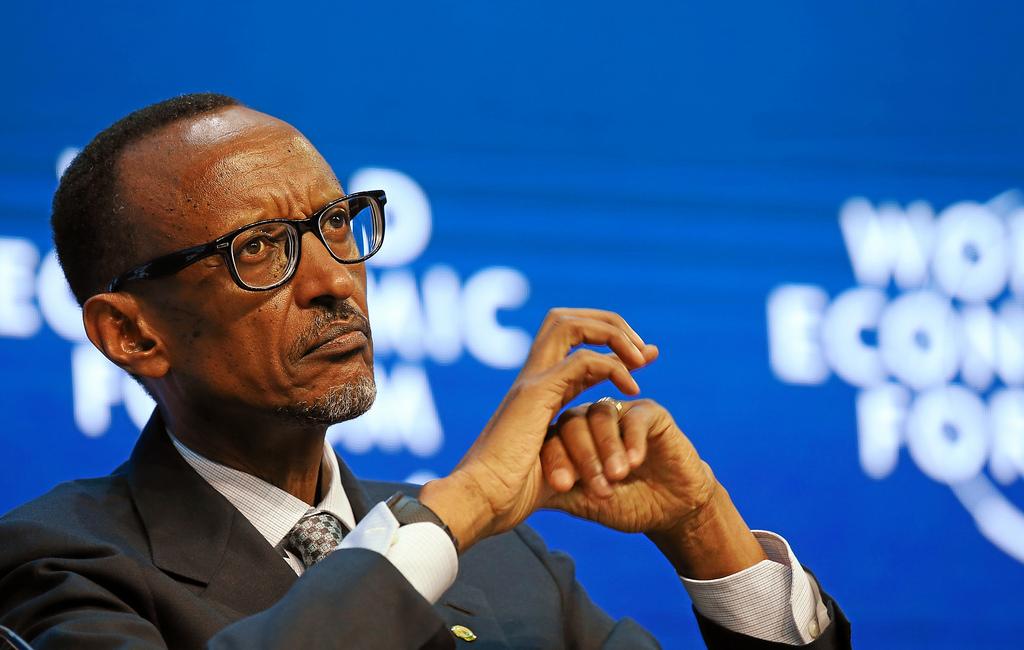
Rwandan President Paul Kagame has condemned recent United States sanctions, calling them insults and accusing Washington of applying uneven pressure in the Central African conflict.
Speaking to Jeune Afrique, Kagame said sanctions targeting Rwanda’s army reflected hostility toward Kigali while the Democratic Republic of Congo received gentler diplomatic treatment.
The United States imposed sanctions in early March, alleging Rwandan support for the M23 rebel group operating across eastern Democratic Republic of Congo since 2021.
The mineral-rich region has endured relentless fighting, with M23 fighters capturing key cities including Goma and Bukavu during renewed offensives earlier this year.
A US-brokered peace agreement signed in December sought to halt the violence, yet clashes have persisted, leaving fragile hopes of stability hanging uncertainly.
Kagame insisted Rwanda was honouring commitments made under the Washington agreement, while accusing Congolese authorities of only partially fulfilling their obligations under the deal.
He warned Rwanda would not abandon defensive measures against militias he says threaten national security, referencing groups linked to perpetrators of the 1994 genocide.
Days after the peace accord was signed, M23 forces seized the strategic border city of Uvira, prompting sharp criticism from Washington and renewed diplomatic tensions.
Kigali maintains its involvement in eastern Congo aims to counter hostile armed groups rather than expand territorial influence or destabilise neighbouring regions.
Beyond Congo, Kagame urged multinational energy companies including Total, Exxon Mobil and Eni to help finance security operations protecting gas projects in northern Mozambique.
Rwanda has deployed troops to Mozambique’s Cabo Delgado province since 2021, supporting efforts to contain Islamist insurgents threatening major offshore energy investments.
Last month, Kigali warned it could withdraw forces unless funding guarantees continued, despite European Union support totalling 40 million euros for logistics and equipment.
The dispute underscores widening geopolitical strains as regional conflicts intertwine with global security interests, economic stakes and competing diplomatic narratives across Africa’s Great Lakes region.