
Dakar and Rabat’s historically close ties are under strain after the Africa Cup of Nations final sparked intense controversy this year.
Senegal initially celebrated victory in mid-January, only to have the title stripped and handed to Morocco, igniting anger and suspicion.
On Rue Mohamed V, home to Moroccan vendors in Dakar, police maintain a visible presence amid tensions, though no incidents have occurred.
CAF removed Senegal’s title on March 17, citing the team’s angry pitch departure after a late penalty awarded to Morocco.
A photograph the following day showed Senegalese President Bassirou Diomaye Faye with the AFCON trophy prominently displayed behind him.
Senegal has appealed to the Court of Arbitration for Sport, while some citizens have urged a boycott of Moroccan products in protest.
On March 18, Dakar demanded an international probe into alleged corruption within CAF, a move that unsettled Moroccan officials.
Aziz Daouda, a Moroccan athletics official, warned Senegalese accusations risk damaging the historically warm relations between the two nations.
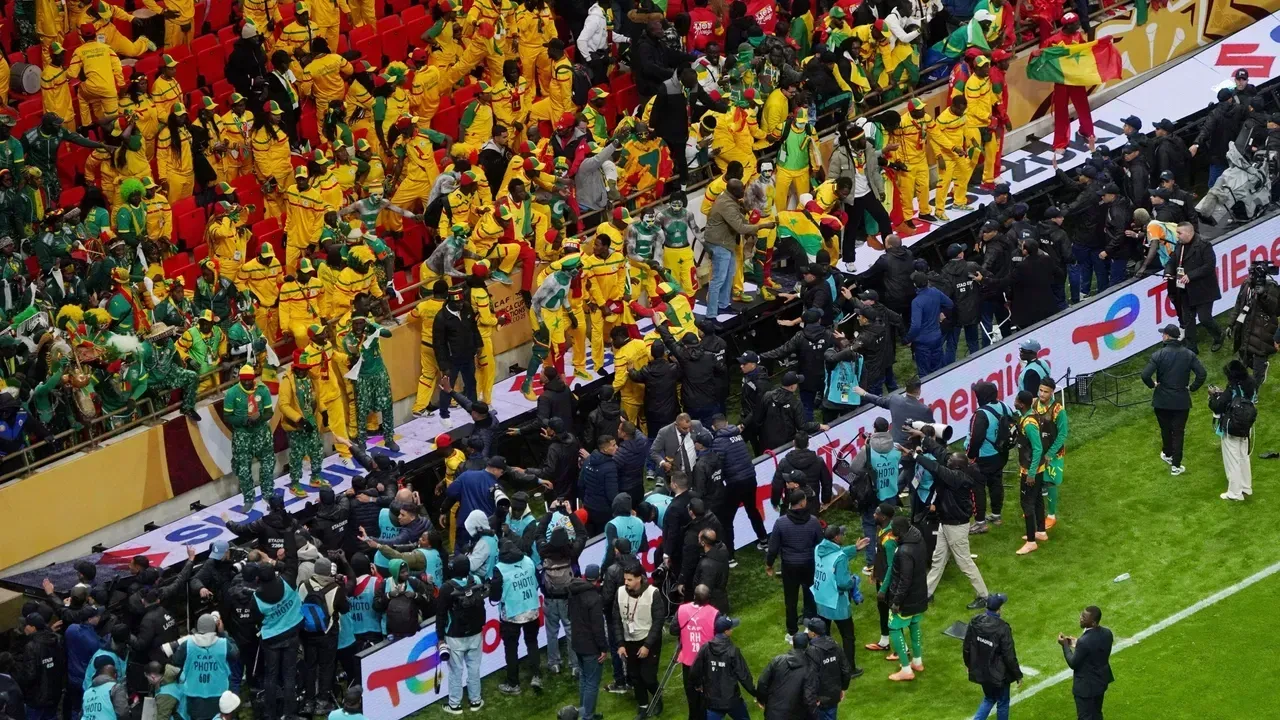
Further tension stems from 18 Senegalese fans jailed in Morocco for up to a year after pitch disruptions during the final match.
Their appeal hearing was postponed again until April 13, while demonstrators in Dakar describe them as “hostages” of Morocco.
Senegalese Prime Minister Ousmane Sonko lamented the situation, stressing that sport should not overshadow friendship between the countries.
Experts highlight the deeper emotional and spiritual connections, noting Morocco remains a key destination for Senegalese Muslim followers of Tidianism.
Despite the strain, officials emphasize that Morocco-Senegal relations remain unique, rooted in shared history, faith, and popular bonds beyond politics.
Moroccan authorities have declined to comment on the football dispute, preferring not to engage following CAF’s controversial ruling.