
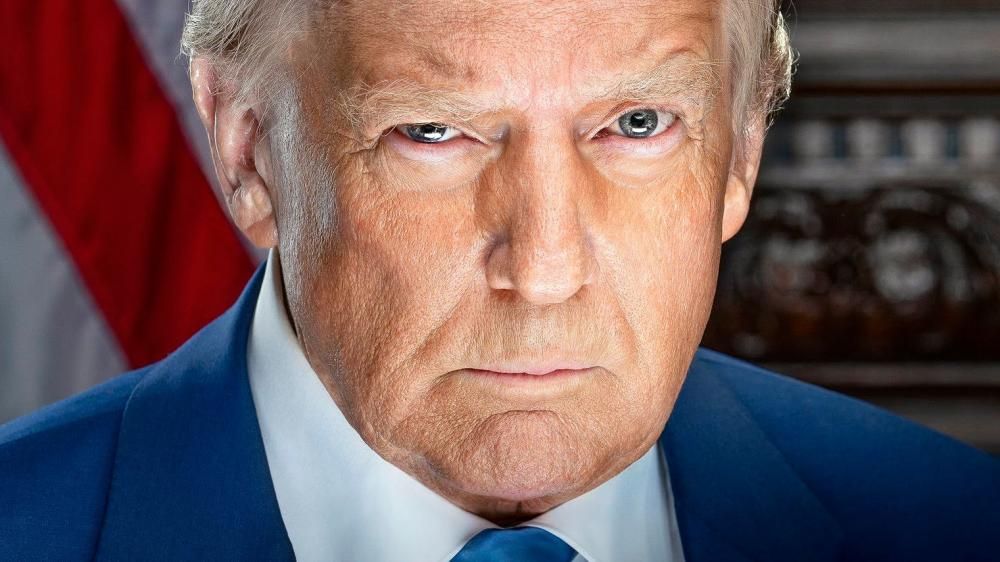
U.S. President Donald Trump sharply criticized NATO during a closed-door meeting with Secretary-General Mark Rutte on Wednesday, as tensions within the alliance deepened over the Iran war.
Speaking after the meeting, Rutte described the talks as candid but constructive, saying Trump was “clearly disappointed” with several allies. The comments came amid growing strain between Washington and European capitals over their limited support for U.S.-led military operations targeting Iran.
According to the White House, Trump accused NATO members of failing to step up during the conflict, particularly as some countries declined to grant airspace access or contribute naval forces to efforts aimed at reopening the Strait of Hormuz.
In a post following the meeting, Trump said the alliance had “failed” when tested and warned it could not be relied upon in future crises. He has repeatedly questioned NATO’s value in recent weeks, even raising the possibility of U.S. withdrawal from the 32-member bloc.
Rutte acknowledged that some countries had not met expectations but stressed that most European allies had contributed in various ways. He also sought to ease tensions, maintaining a diplomatic tone and emphasizing ongoing cooperation.
The dispute comes despite a temporary pause in hostilities, after Washington agreed to a two-week suspension of strikes on Iran. However, the fallout from the conflict continues to reverberate across the alliance, raising concerns about long-term unity.
European governments remain hesitant to join potential operations in the Strait of Hormuz while fighting persists, diplomats said, underscoring divisions over how far NATO should be involved in Middle East conflicts.
Analysts warn the alliance is facing a critical moment. Oana Lungescu described the situation as a “dangerous point” for transatlantic relations, reflecting broader disagreements over Ukraine, defense spending, and strategic priorities.
NATO, established in 1949 as a collective defense alliance, has long been central to Western security. But Trump’s continued criticism, combined with shifting geopolitical pressures, has exposed growing fractures between the United States and its European partners.
The meeting also comes as Washington balances multiple fronts, including support for Ukraine and tensions with Russia, further complicating coordination within the alliance.