
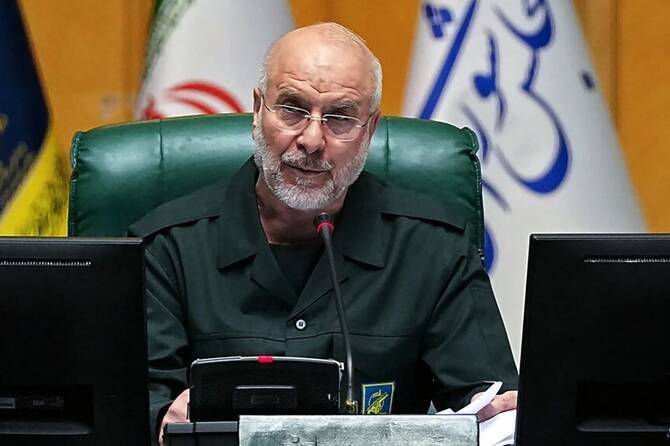
Iran said it will not proceed with planned negotiations with the United States unless a ceasefire is enforced in Lebanon and billions of dollars in frozen Iranian assets are released, raising fresh uncertainty over talks expected in Pakistan.
Iranian parliament speaker Mohammad Baqer Qalibaf said the conditions had already been agreed with Washington, warning that discussions would not begin until they are implemented. Foreign Minister Abbas Araqchi echoed the position, calling for an immediate halt to Israeli strikes on Lebanon.
There was no immediate response from the White House.
U.S. President Donald Trump said Washington was prepared to resume military action if diplomacy fails, noting that American warships were being rearmed. “We’re going to know soon,” he said, referring to the outcome of the talks.
Vice President JD Vance, who is set to lead the U.S. delegation, said he expected progress but warned Iran against attempting to “play” negotiators.
The demands come as Tehran continues to face restrictions on tens of billions of dollars in overseas assets tied to U.S. sanctions on its banking and energy sectors.
Fragile ceasefire
A two-week ceasefire announced earlier this week has paused direct U.S. and Israeli strikes on Iran but has not extended to Lebanon, where Israeli operations against Hezbollah continue.
Israeli strikes intensified shortly after the truce was declared, with Lebanese authorities reporting more than 300 people killed in initial bombardments. Attacks continued on Friday across southern Lebanon, including a strike in Nabatieh that killed 13 members of the country’s state security forces, according to President Joseph Aoun.
Lebanese officials say at least 1,830 people have been killed since early March.
The Strait of Hormuz remains another major sticking point. The waterway, critical for global energy supplies, has seen a dramatic drop in shipping traffic amid ongoing tensions. Iran has signalled it wants greater control over the strait, including the ability to impose transit fees — a move rejected by Washington.
Despite the disruption, Iranian vessels continue to pass through the strait, while foreign ships remain largely restricted.
Hardline stance ahead of talks
Iran’s position reflects a tougher posture under Supreme Leader Ayatollah Mojtaba Khamenei, who has vowed to seek compensation for wartime damage and punish those responsible for attacks on Iran.
While Trump has declared the campaign a success, key U.S. objectives remain unmet, including dismantling Iran’s nuclear programme and curbing its regional military capabilities.
Iran retains a significant missile and drone arsenal, as well as a stockpile of uranium enriched close to weapons-grade levels.
The war has also triggered global economic fallout. Disruptions in oil flows through Hormuz have pushed inflation higher, with U.S. consumer prices rising sharply in March, underscoring the wider impact of the conflict.