
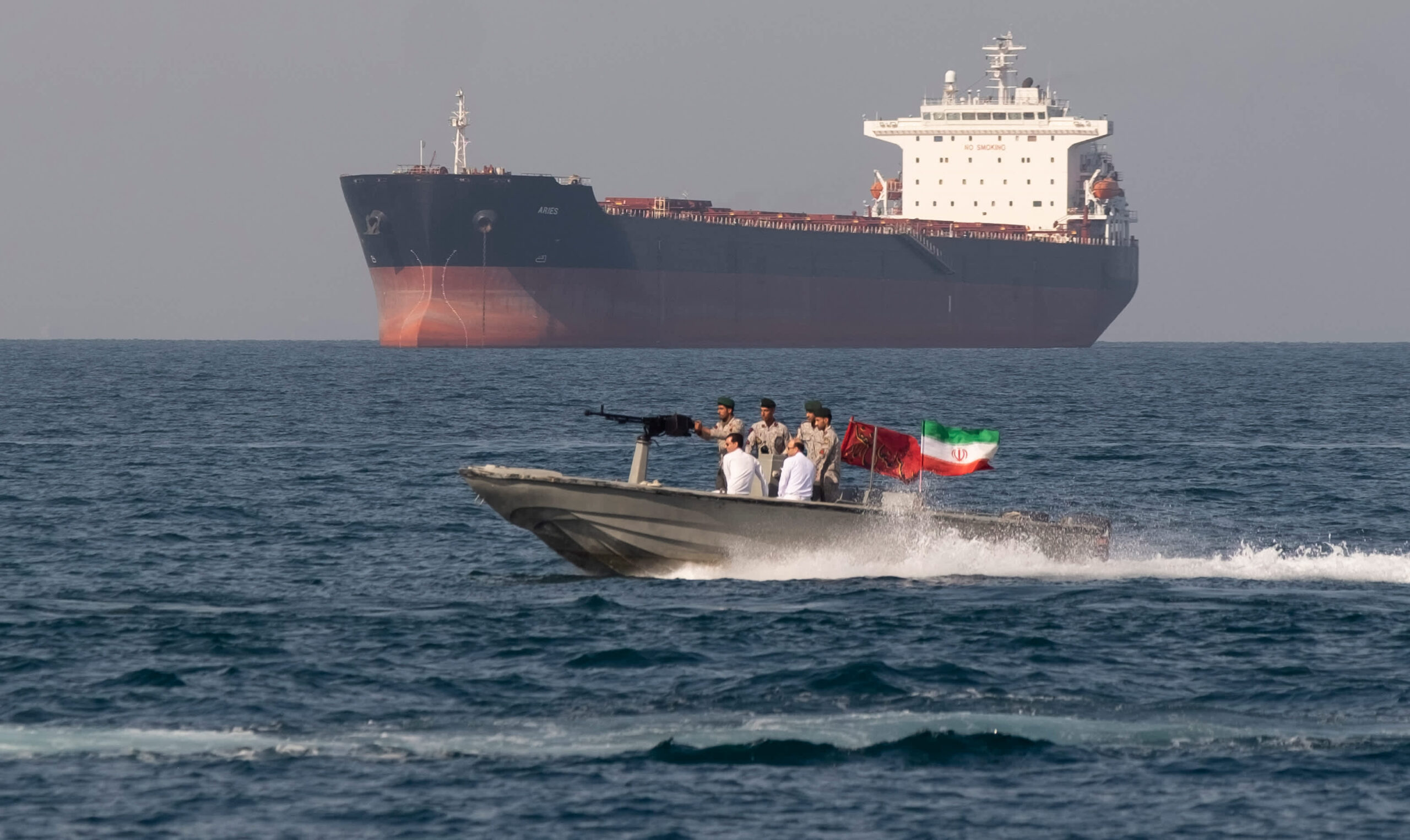
Iran’s military declared the Strait of Hormuz closed again Saturday, reversing hours earlier reopening as commercial vessels rushed through the vital energy corridor.
The abrupt shift cast doubt on Donald Trump’s optimism that a peace deal to end the US-Israeli war with Iran was imminent.
Tehran had reopened the strait Friday after a ceasefire in Lebanon paused fighting between Israel and Hezbollah.
Global markets initially rallied and oil prices plunged, reflecting relief across economies reliant on uninterrupted flows through the narrow maritime artery.
However, Washington’s insistence on maintaining a naval blockade of Iranian ports triggered renewed tensions and prompted Tehran to threaten closing the strait again.
State television later reported the waterway was under strict military control, framing the move as a direct response to continued US pressure.
Maritime tracking data showed ships navigating cautiously, hugging Iranian waters and signalling neutrality by identifying as Indian or Chinese.
At least eight tankers successfully crossed by mid-morning, while several others reversed course amid growing uncertainty and risk.
Diplomatic efforts intensified as a fragile two-week ceasefire entered its final days, with negotiators racing against time to secure a lasting agreement.
Trump reiterated confidence, praising mediation efforts and declaring progress toward a deal that could halt the conflict launched in late February.
Pakistan emerged as a central mediator, with military chief Asim Munir engaging Iranian leaders during a high-level diplomatic visit.
Parallel efforts saw Prime Minister Shehbaz Sharif touring regional capitals to build consensus around a negotiated settlement.
Despite cautious optimism, key disputes remain unresolved, including Iran’s enriched uranium stockpile and the future status of the strategic strait.
Tehran firmly rejected claims it would surrender nuclear material, insisting its reserves would remain under national control.
Meanwhile, ordinary Iranians faced prolonged internet restrictions, with connectivity disruptions stretching into their fiftieth day since the conflict began.