
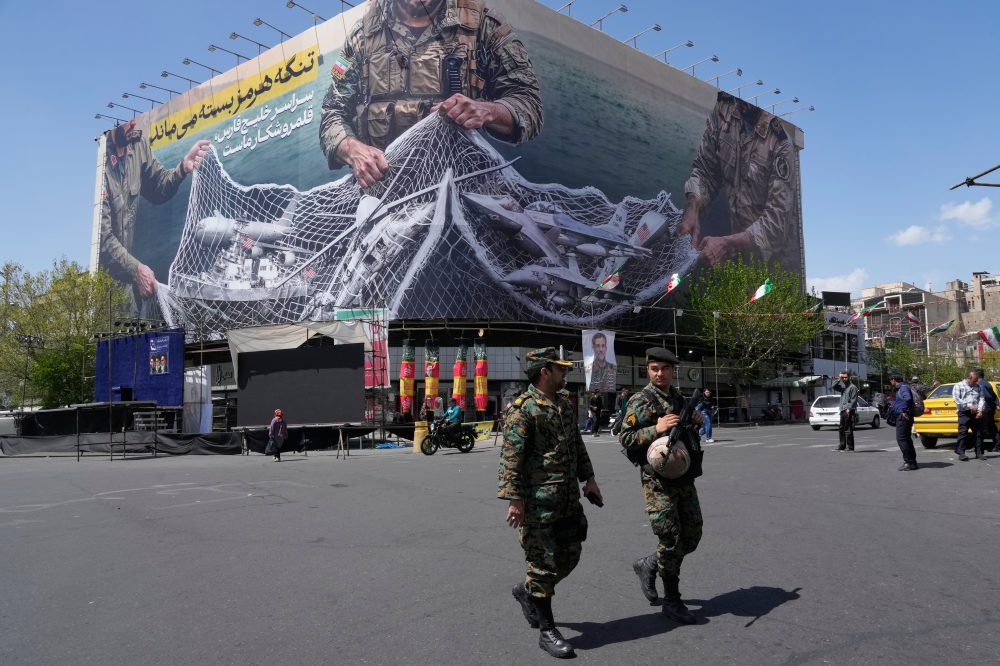
Iranians trying to resume daily life after weeks of U.S. and Israeli bombardment face growing anxiety over economic collapse and the prospect of renewed state repression, even as a fragile ceasefire holds.
Shops, restaurants and public offices have remained open, and parks and cafes in cities like Tehran show signs of normality. But beneath the surface, economic strain, infrastructure damage and lingering fear from a deadly January crackdown continue to shape public sentiment.
The conflict has deepened Iran’s economic crisis, with airstrikes damaging key infrastructure and raising fears of widespread job losses. At the same time, many Iranians worry that once the war subsides, authorities will intensify pressure on dissent.
“The war will end, but our real problems will begin,” said Fariba, 37, who took part in January’s protests. “If there is a deal with the United States, the regime will increase pressure on ordinary people.”
Talks between U.S. and Iranian officials in Islamabad — the first direct negotiations in years — failed to produce an agreement. With the ceasefire set to expire in the coming days, U.S. President Donald Trump said further negotiations were planned.
Despite early suggestions from Washington and Israel that the war could weaken or even topple Iran’s leadership, analysts say the ruling system has instead emerged more entrenched.
“Iranians now understand the war will not bring change, but will worsen their economic situation,” said analyst Omid Memarian, adding that the military establishment is unlikely to relinquish control.
Public opinion appears deeply divided. Some, particularly in wealthier areas, say conditions could be worse given years of sanctions and isolation. Others, speaking anonymously, expressed fear and uncertainty about what lies ahead.
“People may be enjoying the ceasefire now, but what comes next?” said Sara, a 27-year-old teacher. “The regime has become even more powerful.”
Thousands were killed during the January unrest, which authorities blamed on foreign-backed groups. The crackdown, coupled with strict internet restrictions, has left many Iranians feeling isolated and unable to communicate with family abroad.
While some social restrictions, such as enforcement of mandatory hijab rules, have loosened since earlier protests, many fear these freedoms could be reversed once external pressure eases.
“Pressure will definitely increase,” said Arjang, a father of two in Tehran. “If there is peace with Washington, the regime won’t face the same constraints.”
Analysts warn that tensions remain unresolved beneath the surface, with frustration likely to resurface once the immediate threat of war fades.
“There is a lot of fire under the ashes,” Memarian said.