
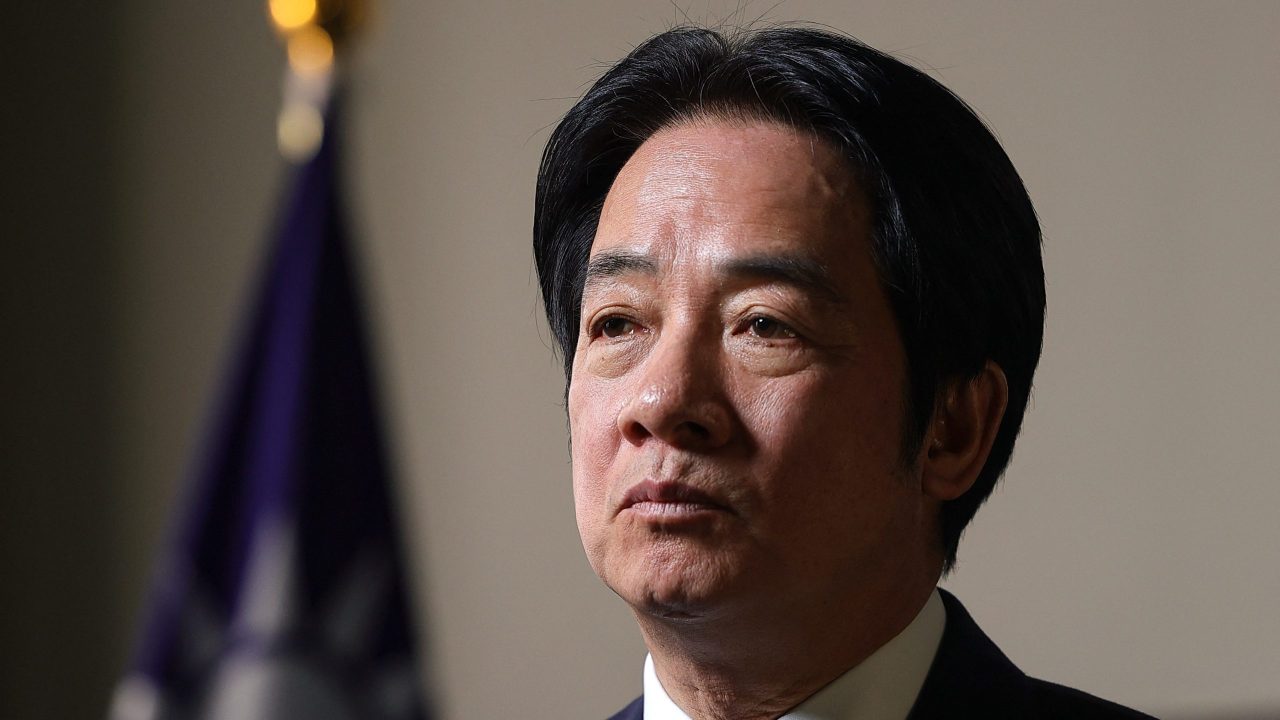
Taiwan’s president Lai Ching-te has cancelled a planned trip to Africa after several countries revoked overflight permissions for his aircraft, in a move Taipei blamed on pressure from China.
Lai had been scheduled to visit Eswatini—Taiwan’s only diplomatic ally on the continent—but the trip was scrapped after Seychelles, Mauritius and Madagascar withdrew flight permits, according to Taiwanese officials.
Taipei said the decisions came “unexpectedly and without prior notice,” accusing Beijing of exerting “intense pressure” and economic coercion to block the visit. Chinese officials rejected the accusation, while praising the three countries for upholding the “One China” principle.
The cancellation marks the first publicly known case of a Taiwanese leader being forced to abandon an overseas trip due to revoked overflight access.
Seychelles and Madagascar indicated their decisions were based on their non-recognition of Taiwan as a sovereign state, aligning with Beijing’s position that the self-governed island is part of China.
Beijing has long maintained its “One China” policy, asserting sovereignty over Taiwan and opposing any official engagement between Taipei and foreign governments. While Taiwan operates as a self-governing democracy, China considers it a breakaway province and has not ruled out using force to bring it under its control.
Chinese authorities have been particularly critical of Lai, previously branding him a “troublemaker” and accusing him of undermining cross-strait stability.
Lai, in a statement on X, condemned what he described as “coercive actions” by China, saying they exposed “the risks authoritarian regimes pose to the international order.”
“No amount of threats or coercion will shake Taiwan’s resolve to engage with the world,” he said.
Despite the setback, Eswatini said the cancellation would not affect its longstanding diplomatic ties with Taiwan, expressing regret that Lai could not attend celebrations marking the 40th anniversary of King Mswati III’s accession to the throne.
Taiwan said it would instead send a special envoy to represent the island at the event.
The episode underscores intensifying geopolitical pressure around Taiwan’s international engagement, as Beijing continues efforts to isolate the island diplomatically and limit its global presence.