
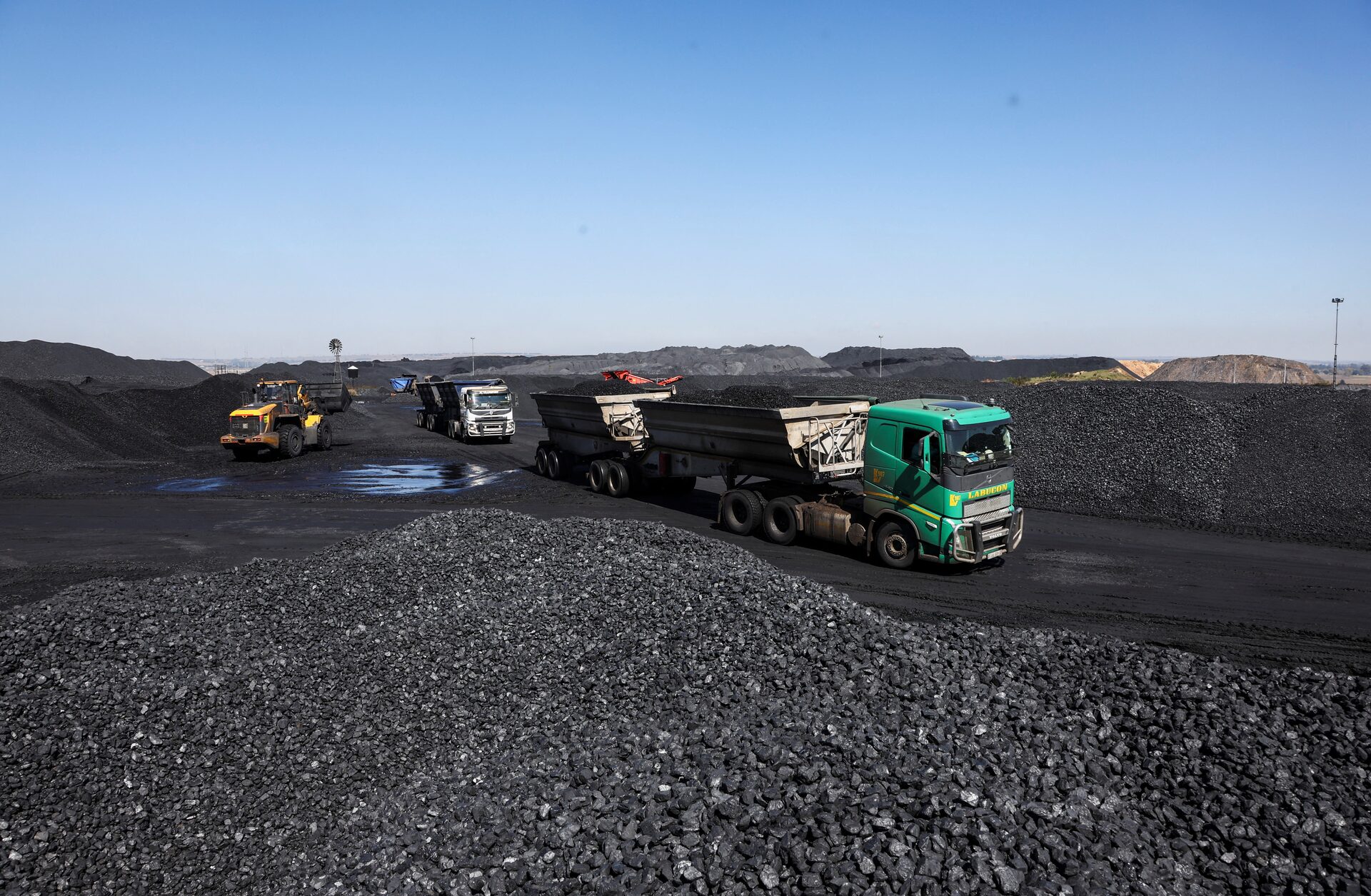
South Africa faces risk of thousands of premature deaths if coal phase-out is delayed, climate rights groups warned Wednesday.
Coal still supplies about 80 percent of South Africa’s electricity, making it one of the world’s largest greenhouse gas emitters.
The sector is also a cornerstone of the economy, employing over 90,000 people and complicating decommissioning decisions significantly policy debates.
Government approved extending operating dates for 14 coal-fired plants, with two now expected to run until 2050 under new plan.
The new report by Greenpeace, CREA and GroundWork estimates up to 32,000 preventable deaths between 2026 and 2050 across country systems.
Gauteng province, including Pretoria and Johannesburg, is projected to suffer 15,000 deaths from extended coal operations over study period impact.
In January, authorities linked high sulphur pollution in Gauteng to transboundary emissions from Mpumalanga industrial region southern Africa corridor sources contributing.
Moyo said pollution does not remain where it is produced, stressing it travels across regions and borders freely continuously widely.
The report warns severe impacts on children including 41,000 pre-term births, 17,000 asthma cases, and 370 deaths under five children.
Residents in Middelburg described worsening air pollution, with mothers reporting asthma, skin diseases, and respiratory illnesses in children cases rising.
The study estimates economic losses of 721 billion rand, about 38 billion dollars, from healthcare pressure and lost productivity burdens.
South Africa signed a 2021 Just Energy Transition Partnership worth 8.5 billion dollars, but US later withdrew support commitments funding.