
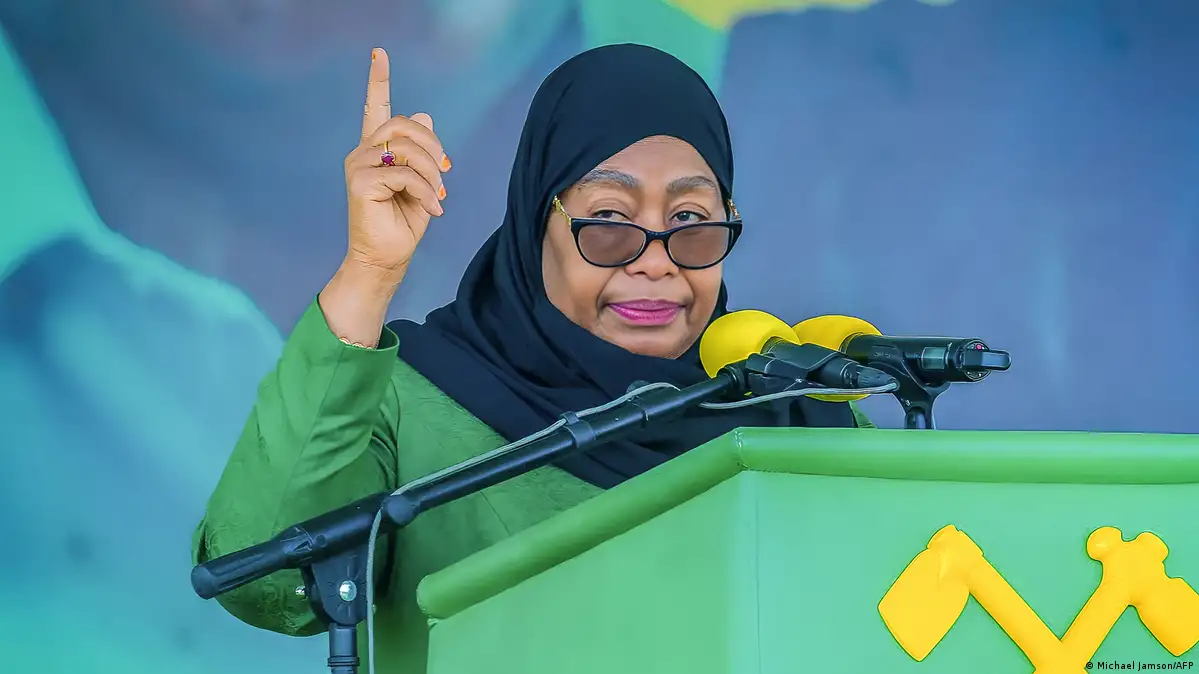
More than 500 people were killed in the aftermath of Tanzania’s disputed general election, an official inquiry has found, though it stopped short of assigning responsibility for the bloodshed.
The commission reported that at least 518 people died from “unnatural causes” following protests triggered by the October 29 vote, which returned President Samia Suluhu Hassan to power with 98% of the vote.
Despite mounting accusations from opposition groups and rights organisations that security forces carried out a violent crackdown, the commission’s chairman, Mohamed Chande Othman, did not identify those responsible, instead calling for further investigations.
The findings mark the first official death toll from the unrest, which shattered Tanzania’s long-standing image of political stability.
According to the report, most victims were male, with at least 21 children among the dead. Nearly 200 people were killed by shotgun fire, while more than 2,000 others were injured.
The commission acknowledged the toll could be higher, noting that some victims were buried without being officially recorded.
President Samia defended the actions of the security forces, saying they had prevented the country from descending into chaos and accusing unnamed actors of orchestrating the unrest to destabilise the state.
“We have learnt,” she said, claiming the violence was “planned, coordinated and financed” to create a leadership vacuum.
Opposition figures rejected the findings, describing the report as a “cover-up” designed to shield authorities from accountability.
Protests erupted immediately after the election, driven largely by young people angered by what they saw as a one-party dominated political system and the exclusion of key opposition figures from the race.
International observers, including the African Union and SADC, had already raised concerns about the credibility and transparency of the vote.
The commission denied claims that mass graves existed, saying such allegations could not be substantiated and suggesting some imagery had been manipulated.
It recommended compensation and medical support for victims, a national day of mourning, and further criminal investigations to determine responsibility, as well as constitutional reforms ahead of the next election cycle.