
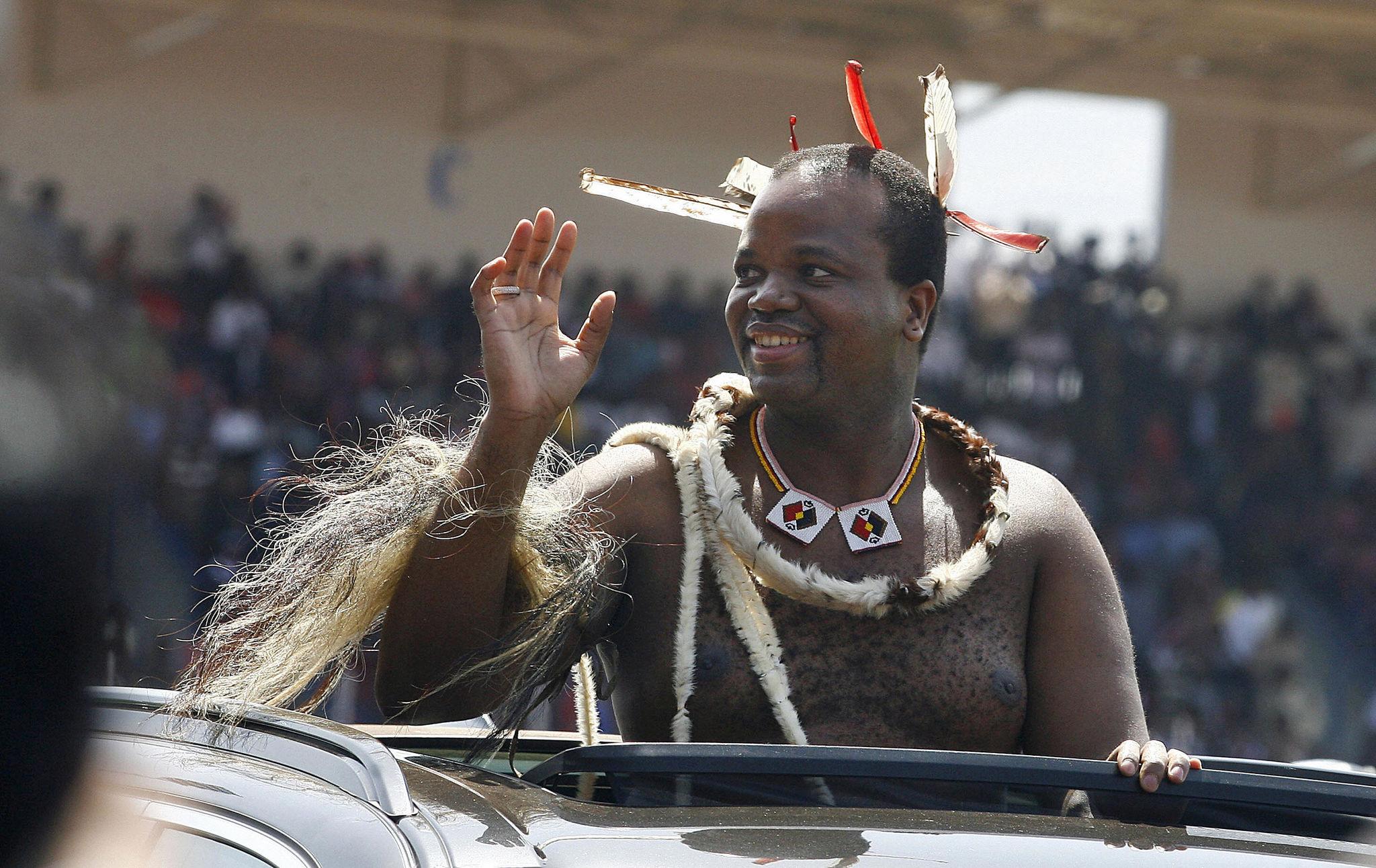
Festivities and quiet anger collided in Eswatini on Friday as King Mswati III marked 40 years on the throne, highlighting the deep divide between royal loyalists and critics who accuse Africa’s last absolute monarch of living lavishly while much of the population struggles.
Marching bands, choirs and traditional dancers filled the national stadium in a display of loyalty, with supporters celebrating the king’s 58th birthday and decades-long rule over the southern African kingdom of 1.5 million people.
“We have been through thick and thin as a nation… it is important we remain united,” Mswati told cheering crowds.
Supporters credit the monarchy with social programs, including free schooling introduced in 2022 and mobile health clinics rolled out the following year. Some attendees said their lives had improved under royal rule, pointing to agricultural support and expanded public services.
But behind the pageantry, criticism is mounting.
Opposition figures and activists say the king’s opulent lifestyle — alongside that of his many wives — stands in stark contrast to widespread poverty. Around one-third of Eswatini’s population lives below the international poverty line, while state funds continue to bankroll royal expenses running into tens of millions of dollars annually.
Earlier this month, the government approved an additional $3 million for royal upkeep, fuelling renewed backlash.
“Yet another public waste of scarce resources,” said Wandile Dludlu, leader of the country’s largest opposition movement, citing persistent inequality, poverty and high HIV rates.
Public frustration is not new. Protests in 2021 over political reform and economic hardship were met with a violent crackdown, leaving lingering resentment toward the monarchy.
Despite this, the throne remains deeply rooted in Eswatini’s cultural and political identity, with many citizens continuing to defend the institution even as criticism grows louder.
For now, the celebrations project unity — but beneath them, tensions over inequality and governance remain unresolved.