
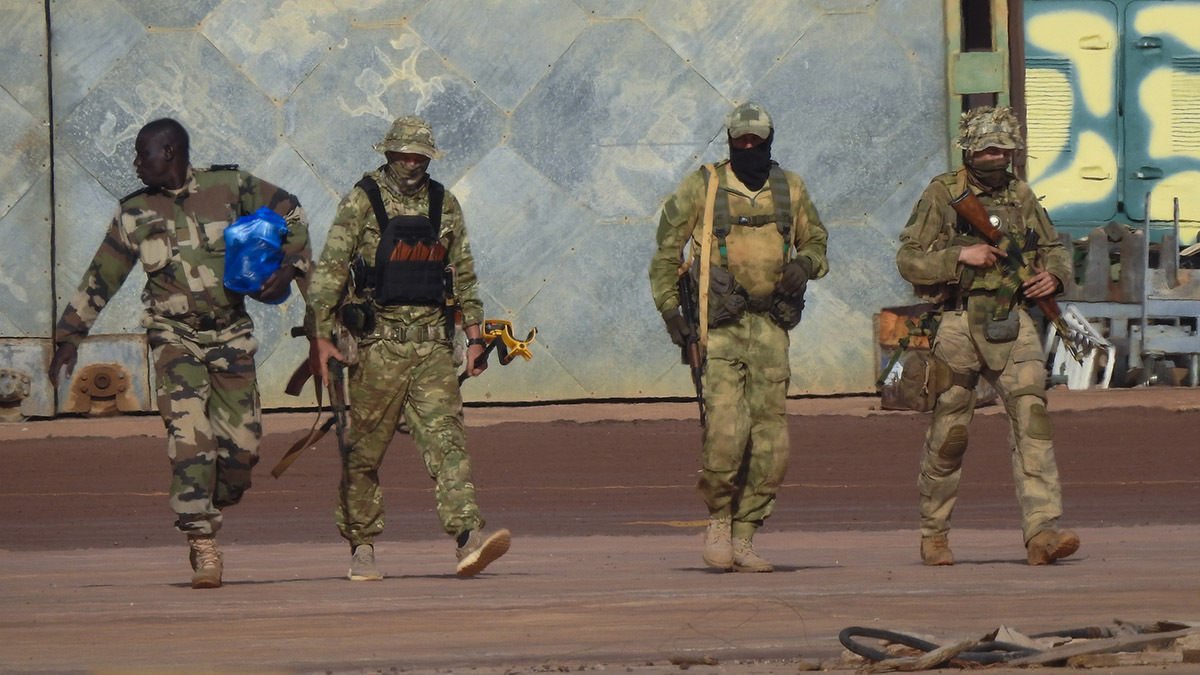
Coordinated rebel and jihadist attacks in Mali have weakened Russia’s image as a dependable security partner, analysts said, exposing strain with the ruling military junta.
Mali has been thrown deeper into crisis after a Tuareg-led alliance and jihadist fighters jointly launched deadly weekend assaults on junta positions and Russian-backed forces.
Rebels captured the strategic desert town of Kidal, forcing Russian Africa Corps personnel to withdraw after intense fighting and fragile negotiations with armed groups.
Defence Minister Sadio Camara was killed in the violence, a symbolic blow to the junta’s pro-Russia shift following the 2020 military coup in Bamako.
Analysts say the events damage Moscow’s credibility, particularly after images showed Russian fighters escorted out of Kidal under negotiated withdrawal arrangements.
“This will taint Russia’s image as a reliable partner,” said Nina Wilen, noting Camara’s role as a key architect of the Russia-Mali security alignment.
Despite diplomatic reassurances, including a meeting between junta leader Assimi Goïta and Russia’s ambassador, observers describe growing distrust between Malian forces and Russian personnel.
A Malian official told AFP that Moscow had “betrayed” expectations, while analysts report escalating tensions and mutual accusations of operational failure on the ground.
Russia insists its Africa Corps units were outnumbered in Kidal and emphasises their training mandate rather than direct frontline combat responsibility.
The Kremlin has vowed to maintain its presence in Mali, even as Tuareg rebels demand a full Russian withdrawal from the country.
Experts say the transition from Wagner to Russia’s defence ministry has not produced a coherent battlefield strategy in Mali’s complex insurgency environment.
Analysts argue the attacks expose coordination failures and highlight limits in Moscow’s capacity to stabilise vast, fractured territories across the Sahel region.