
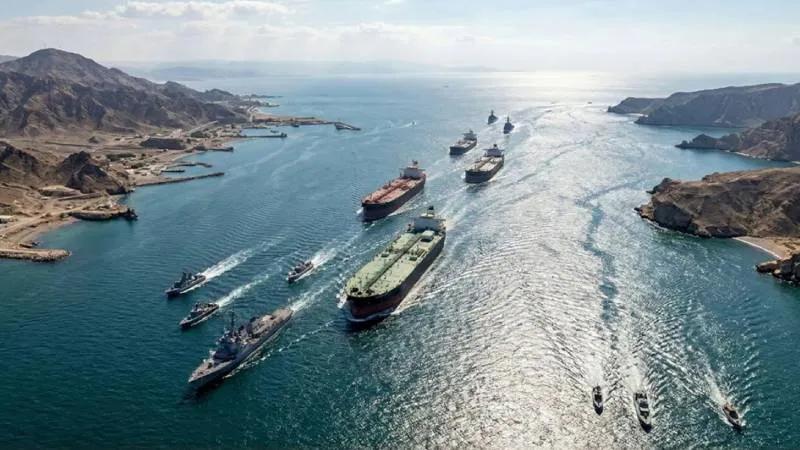
The United States said it destroyed Iranian fast-attack boats and intercepted missiles and drones on Monday as it launched a large-scale military operation to reopen shipping through the Strait of Hormuz.
US Central Command said forces had sunk at least six Iranian small boats and repelled multiple attacks by Iran’s Islamic Revolutionary Guard Corps (IRGC), which it accused of targeting vessels under US protection.
“The IRGC has launched multiple cruise missiles, drones and small boats at ships we are protecting. We have defeated each and every one of those threats,” regional commander Admiral Brad Cooper said.
The operation, announced earlier by Donald Trump as “Project Freedom,” marks Washington’s most direct attempt to break Iran’s effective blockade of the strait, a key artery for global energy supplies.
Cooper said the mission involves around 15,000 troops, naval destroyers, more than 100 aircraft, and undersea assets, supported by electronic warfare systems designed to counter Iranian attacks.
He warned Iranian forces to stay clear of US assets, adding that commanders had full authority to defend both military units and commercial shipping.
According to the US military, Iranian fast boats were destroyed by Apache and Seahawk helicopters, while incoming missiles and drones were intercepted using layered defensive systems.
The operation began with efforts to clear suspected Iranian naval mines, followed by the escorted passage of two US-flagged commercial vessels through the strait — a move Washington said demonstrated the route’s viability.
Iran, however, rejected those claims. The Revolutionary Guards said no commercial ships had crossed in recent hours and denied that any of its vessels had been sunk.
The developments come amid a wider escalation across the region. A South Korean vessel was hit by an explosion in the strait, though it was not part of the US-led mission.
Trump suggested Seoul should join the operation, saying Iran had targeted “unrelated nations” amid the confrontation.
The Hormuz waterway, which previously carried around one-fifth of global oil and liquefied natural gas shipments, has been largely closed since the conflict between the United States, Israel and Iran intensified earlier this year.
Despite US efforts to restore traffic, many shipping companies remain cautious, with dozens of vessels from multiple countries still stranded in Gulf waters.
Cooper said the US had contacted shipping firms to encourage transit, adding that initial responses had been “enthusiastic” and that movement through the strait was beginning to increase.
At the same time, Washington’s blockade on Iranian shipping remains in place, preventing vessels from entering or leaving Iranian ports.
The latest confrontation casts further doubt on the durability of a ceasefire announced in April, as both sides continue to exchange military threats and conflicting claims over control of the strategic waterway.