
The United States and Iran are moving closer to a temporary agreement aimed at halting their conflict, with Tehran reviewing a U.S. proposal focused on ending hostilities while postponing major unresolved disputes, according to officials and sources familiar with the talks.
Iran’s foreign ministry said Tehran had not yet reached a final decision on the emerging framework, which sources described as a short-term memorandum rather than a comprehensive peace accord. The proposal reflects a scaling back of ambitions by both sides as negotiations remain deadlocked over Iran’s nuclear programme and broader regional issues.
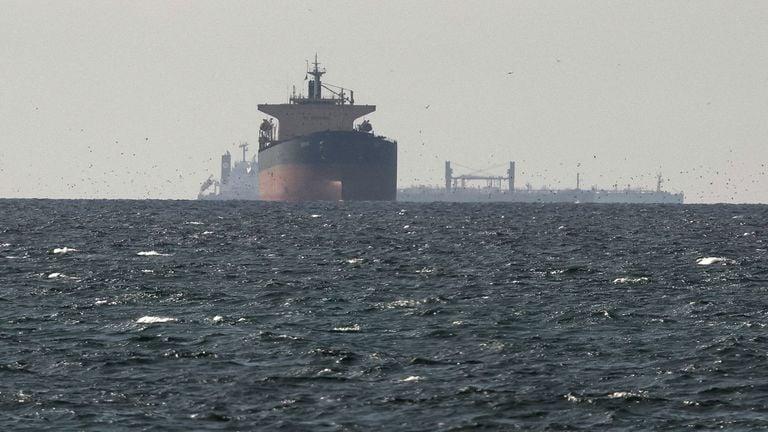
According to the sources, the proposed arrangement would unfold in three stages: formally ending the war, addressing tensions in the Strait of Hormuz, and opening a 30-day negotiation window for broader talks on a permanent settlement.
Pakistan, which has played a key mediation role between Tehran and Washington, expressed optimism over the talks. A senior Pakistani official involved in the process said the immediate priority was securing a permanent end to the fighting before tackling more complex disputes in direct negotiations.
“We remain optimistic,” Pakistani foreign ministry spokesperson Tahir Andrabi told reporters, adding that an agreement could come “sooner rather than later.”
US President Donald Trump also struck a hopeful tone, telling reporters at the White House that Iran wanted to make a deal and that a breakthrough remained “very possible.”
Despite the optimism, major sticking points remain unresolved. The draft memorandum reportedly omits longstanding U.S. demands for limits on Iran’s missile programme, restrictions on Tehran’s regional allies, and measures addressing Iran’s stockpile of highly enriched uranium.
Iranian officials responded cautiously. Lawmaker Ebrahim Rezaei dismissed the proposal as “more of an American wish list than a reality,” while parliament speaker Mohammad Baqer Qalibaf mocked reports suggesting a breakthrough was imminent.
The prospect of a deal nevertheless eased market concerns over energy disruptions. Brent crude prices fell sharply for a second consecutive day, while global stock markets maintained gains amid hopes that tensions around the Strait of Hormuz could ease.
Meanwhile, Washington continued applying pressure on Tehran by imposing sanctions on Iraq’s deputy oil minister and several militia leaders accused of supporting Iran.
The conflict, which erupted after U.S.-Israeli strikes on Iran on February 28, has destabilized regional shipping routes and heightened fears of wider escalation across the Middle East.