
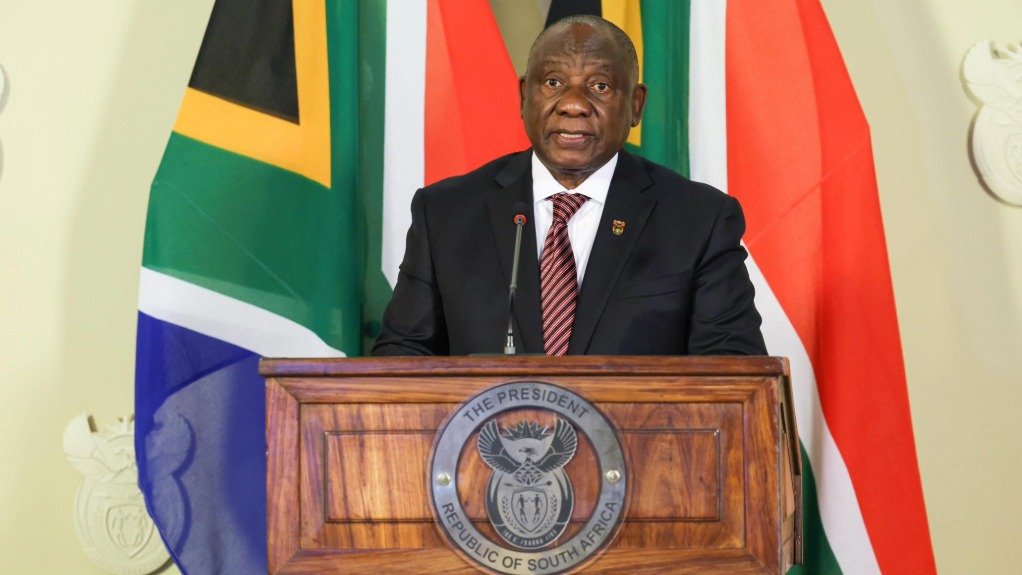
South Africa’s Constitutional Court has revived the long-running Phala Phala farm cash scandal, reopening scrutiny into President Cyril Ramaphosa and potentially paving the way for impeachment proceedings.
In a landmark ruling delivered Friday, the court overturned a 2022 parliamentary vote that had blocked further action against Ramaphosa after an independent panel found preliminary evidence of possible misconduct linked to the scandal. Chief Justice Mandisa Maya ruled that parliament acted unconstitutionally when lawmakers rejected the panel’s findings without allowing a full impeachment inquiry to proceed.
The controversy centers on the theft of foreign currency from Ramaphosa’s Phala Phala private game farm in Limpopo in 2020. Ramaphosa has consistently said the money — around $580,000 — came from the sale of buffalo to a Sudanese businessman and denied any wrongdoing. However, opposition parties and whistleblowers alleged that far larger sums may have been hidden at the farm and accused the president of attempting to conceal the theft rather than reporting it through normal legal channels.
The scandal first exploded publicly in 2022 after former intelligence chief Arthur Fraser filed criminal complaints accusing Ramaphosa of money laundering, kidnapping suspects, and covering up the robbery. A parliamentary panel later concluded there was enough evidence to warrant a deeper investigation, but Ramaphosa survived impeachment after his African National Congress (ANC) party used its majority in parliament to block the process.
Friday’s Constitutional Court ruling effectively resets that process. The court ordered parliament to refer the independent panel’s findings to an impeachment committee, which must now conduct a formal inquiry into the allegations and determine whether grounds exist to remove the president from office.
Opposition parties quickly seized on the ruling. Julius Malema, leader of the Economic Freedom Fighters (EFF), renewed calls for Ramaphosa to resign immediately, claiming the impeachment inquiry could expose damaging new evidence. The EFF and African Transformation Movement were among the parties that brought the constitutional challenge.
Despite the ruling, analysts say Ramaphosa is unlikely to be removed from office in the near term. Although the ANC lost its parliamentary majority in the 2024 election, the party still controls more than one-third of seats in parliament — enough to block the two-thirds majority required for impeachment. Political observers expect the process to stretch over months while increasing pressure on Ramaphosa’s final term in office.
The case has become one of the biggest political scandals of Ramaphosa’s presidency and a major test of South Africa’s institutions. While the president’s office said he respects the Constitutional Court ruling and remains committed to cooperating with legal processes, the revived probe threatens to deepen divisions within the ANC and further complicate efforts to restore investor confidence in Africa’s most industrialized economy.