
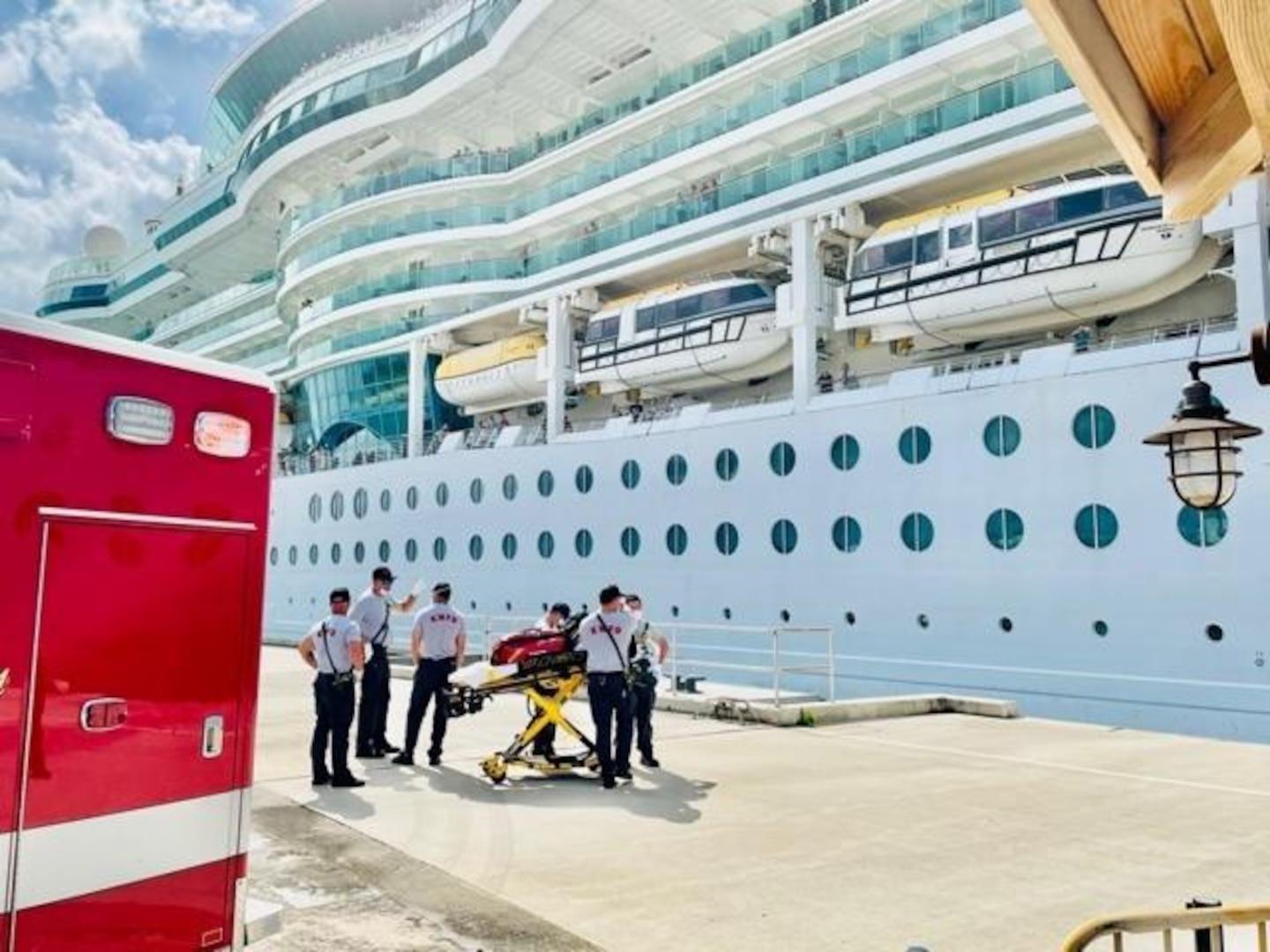
The World Health Organization said Friday that a hantavirus outbreak linked to a cruise ship traveling toward Spain has infected eight people, including three who died, prompting international monitoring and medical evacuations.
According to the WHO, six cases have been confirmed as Andes virus — a rare but potentially deadly strain of hantavirus — through PCR testing, while two additional cases are considered probable infections.
The outbreak was first reported on May 2 aboard an expedition cruise operated by Oceanwide Expeditions. The vessel carried 147 passengers and crew at the time the alert was raised, while another 34 people had already departed the ship earlier in the voyage.
The ship departed Cabo Verde on May 6 and is currently heading toward Spain’s Canary Islands, where passengers are expected to disembark.
Health authorities said four infected patients remain hospitalized in South Africa, the Netherlands, and Switzerland. A separate suspected case transferred to Germany later tested negative for the virus.
The WHO said the overall global risk remains low, but described the risk to passengers and crew aboard the vessel as “moderate.”
Investigators believe the first patient may have contracted the virus before boarding the cruise, possibly during travel in Argentina or Chile, where Andes virus is known to circulate. The WHO added that subsequent infections likely occurred aboard the ship.
Separately, the Centers for Disease Control and Prevention said it is closely monitoring the situation involving American passengers on board.
The CDC announced plans to evacuate U.S. citizens from the vessel using a government-organized medical repatriation flight to Omaha, Nebraska. Cruise operator Oceanwide Expeditions said 17 American citizens remain aboard the ship.
Hantaviruses are typically spread through exposure to infected rodent urine, droppings, or saliva. Andes virus, found mainly in South America, is one of the few hantavirus strains known to spread between humans under certain conditions.
The outbreak has raised concern among health officials because cruise ships can create conditions favorable for rapid disease transmission due to close passenger contact and confined spaces.