
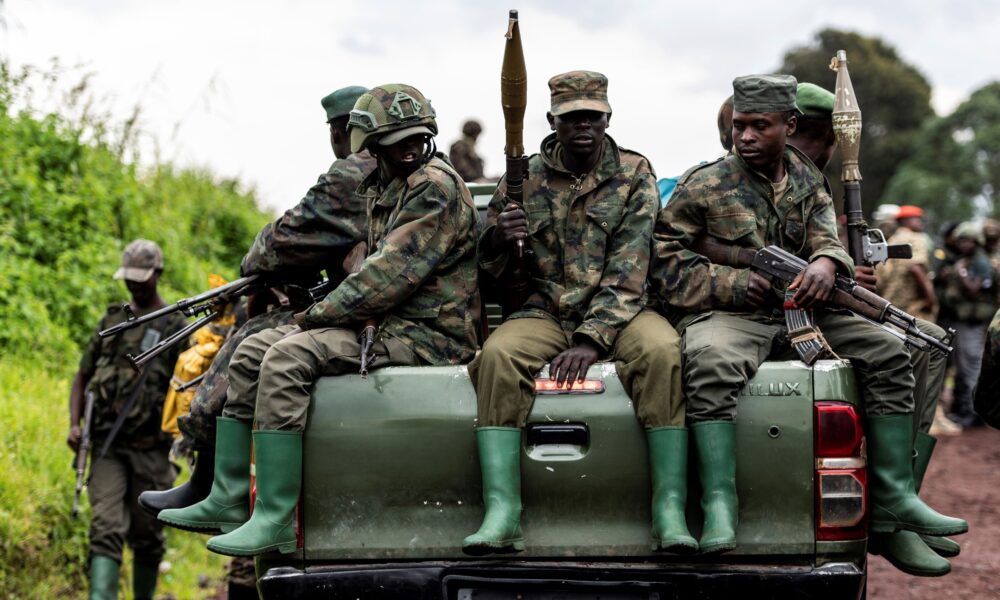
The M23-led Congo River Alliance has formally accused the United States of failing as an impartial mediator in the Democratic Republic of Congo.
In a letter to Secretary of State Marco Rubio, rebel leader Corneille Nangaa claimed Washington lacks the pressure necessary to hold Kinshasa accountable.
The alliance argues that the U.S. government remains silent on alleged peace violations by Congolese authorities while simultaneously imposing sanctions on rebel-linked figures.
This diplomatic friction follows recent U.S. sanctions against former President Joseph Kabila, who was accused of providing financial support to the insurgency.
The Trump administration previously brokered a deal between Congo and Rwanda to stabilize the mineral-rich east and secure access to critical rare earth reserves.
Despite this high-level mediation, the shadow of conflict persists as both government forces and Rwanda-backed rebels trade accusations of bad faith.
The United Nations reports that the M23 group has swelled to approximately 6,500 fighters, significantly expanding its territorial grip since its 2021 resurgence.
Congo and international experts maintain that Rwanda provides essential military backing to the rebels, a claim that continues to fuel regional animosity.
The strategic importance of the region’s minerals has drawn intense American interest, yet the promise of economic partnership remains stalled by gunfire.
The rebels contend that the absence of corrective measures against the central government undermines the credibility of the American-led facilitation process.
Observers note that while U.S. involvement cooled initial tensions, it has struggled to dismantle the complex architecture of violence in the east.
The pursuit of peace in the Levant and the African Great Lakes alike continues to be dictated by the cold calculus of resource security.