
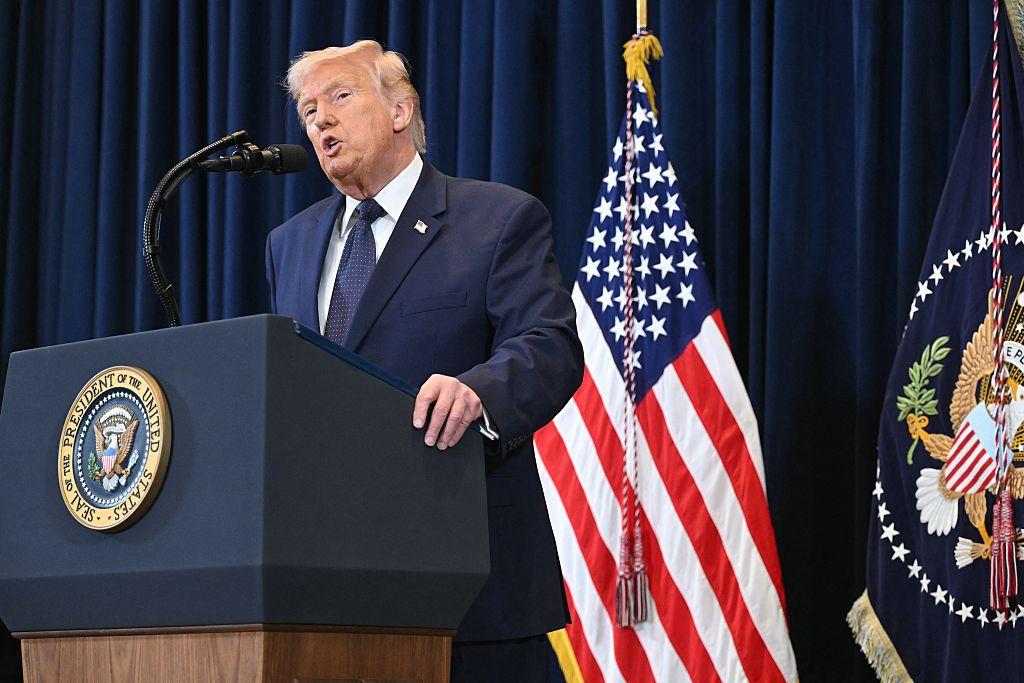
U.S. President Donald Trump said a fragile ceasefire with Iran was “on life support” after rejecting Tehran’s response to a U.S. peace proposal, raising fears of renewed fighting in a conflict that has already disrupted global energy supplies and killed thousands.
Speaking to reporters on Monday, Trump dismissed Iran’s counterproposal as “garbage,” saying he did not finish reading it. His remarks came days after Washington floated a proposal aimed at reviving negotiations and halting the 10-week conflict.
Iran’s response reportedly focused on ending hostilities across the region, including in Lebanon, where Israel continues to clash with the Iran-backed Hezbollah group. Tehran also demanded compensation for war damage, the lifting of U.S. sanctions and naval restrictions, and recognition of its sovereignty over the Strait of Hormuz.
Iranian Foreign Ministry spokesperson Esmaeil Baghaei defended the demands on Monday, describing them as legitimate conditions for ending the conflict. He said Tehran was seeking an end to what it called a U.S. blockade and the release of frozen Iranian assets.
The diplomatic deadlock has intensified concerns over global oil supplies as the Strait of Hormuz remains largely closed. Brent crude prices climbed 2.7% to around $104 per barrel amid fears of prolonged disruption to one of the world’s most important energy shipping routes.
Shipping traffic through the strait has slowed dramatically since the war began in late February. Data cited by Reuters showed only a handful of tankers managed to transit the waterway last week, with some vessels reportedly switching off tracking systems to avoid possible attacks.
The conflict has also placed growing political pressure on Washington, with rising fuel prices hurting American consumers ahead of congressional elections later this year. The United States has meanwhile struggled to secure broader international support for reopening the strait, as NATO allies remain reluctant to deploy naval forces without a comprehensive peace agreement.
Turkey’s Foreign Minister Hakan Fidan is expected to hold talks in Qatar on Tuesday focused on the Iran conflict and maritime security in the Strait of Hormuz, according to a Turkish diplomatic source.
Trump is also set to visit China this week, where Iran is expected to feature prominently in discussions with Chinese President Xi Jinping. Washington has been urging Beijing to use its influence to pressure Tehran toward a deal.
Despite the ceasefire, regional tensions remain high. Israeli Prime Minister Benjamin Netanyahu said the war was not over and stressed that more action was needed against Iran’s nuclear infrastructure and regional proxy forces. Clashes between Israel and Hezbollah have also continued in southern Lebanon despite a separate U.S.-brokered truce announced in April.