
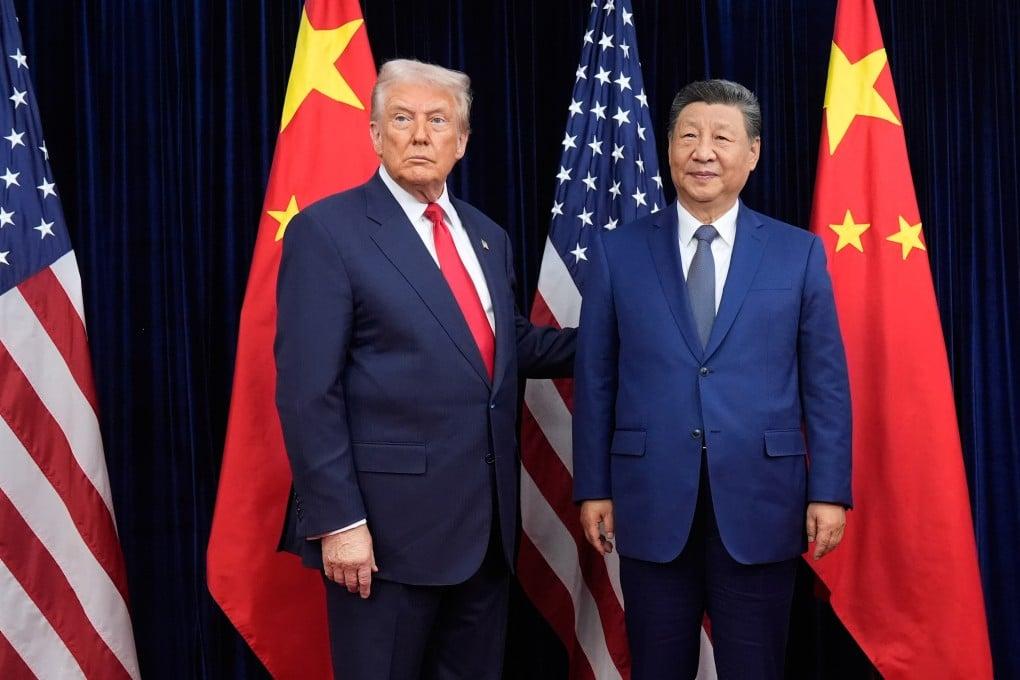
U.S. President Donald Trump said Friday that he was losing patience with Iran and warned Tehran to “make a deal,” while claiming Chinese President Xi Jinping agreed on the need to keep the Strait of Hormuz open amid ongoing regional tensions.
Speaking aboard Air Force One after wrapping up a two-day visit to Beijing, Trump said he had not asked China for any “favours” regarding Iran, despite discussions with Xi over the conflict and maritime security in the Gulf.
“I’m not asking for any favors because, when you ask for favors, you have to do favors in return,” Trump told reporters, while also claiming Iranian forces had been “essentially” destroyed during recent fighting.
The comments come as tensions remain high following months of conflict involving Iran, Israel and the United States, including disruptions to shipping through the Strait of Hormuz — a key global energy route that previously handled around a fifth of the world’s oil and liquefied natural gas trade.
China’s Foreign Ministry stopped short of endorsing Trump’s remarks but said the war “should never have happened” and called for an end to the conflict.
Trump reiterated that Washington’s priority was preventing Iran from obtaining a nuclear weapon while restoring freedom of navigation through the strait.
“We don’t want them to have a nuclear weapon, we want the straits open,” Trump said during talks in Beijing alongside Xi.
Iranian Foreign Minister Abbas Araqchi said Tehran had received messages indicating the United States was willing to continue negotiations and expressed hope that talks could help restore normal maritime traffic through the Strait of Hormuz.
However, Araqchi also stressed that Iran did not trust Washington after previous diplomatic efforts were interrupted by military action. He said Tehran remained prepared for either renewed fighting or a diplomatic settlement.
Trump also said he was weighing whether to lift sanctions on Chinese companies purchasing Iranian oil, adding that a decision could come “over the next few days.” China remains the largest buyer of Iranian crude.
Oil markets reacted nervously to the lack of progress, with crude prices climbing roughly 2% to around $108 a barrel, while U.S. Treasury yields rose amid concerns the conflict and shipping disruptions could fuel inflationary pressures.