
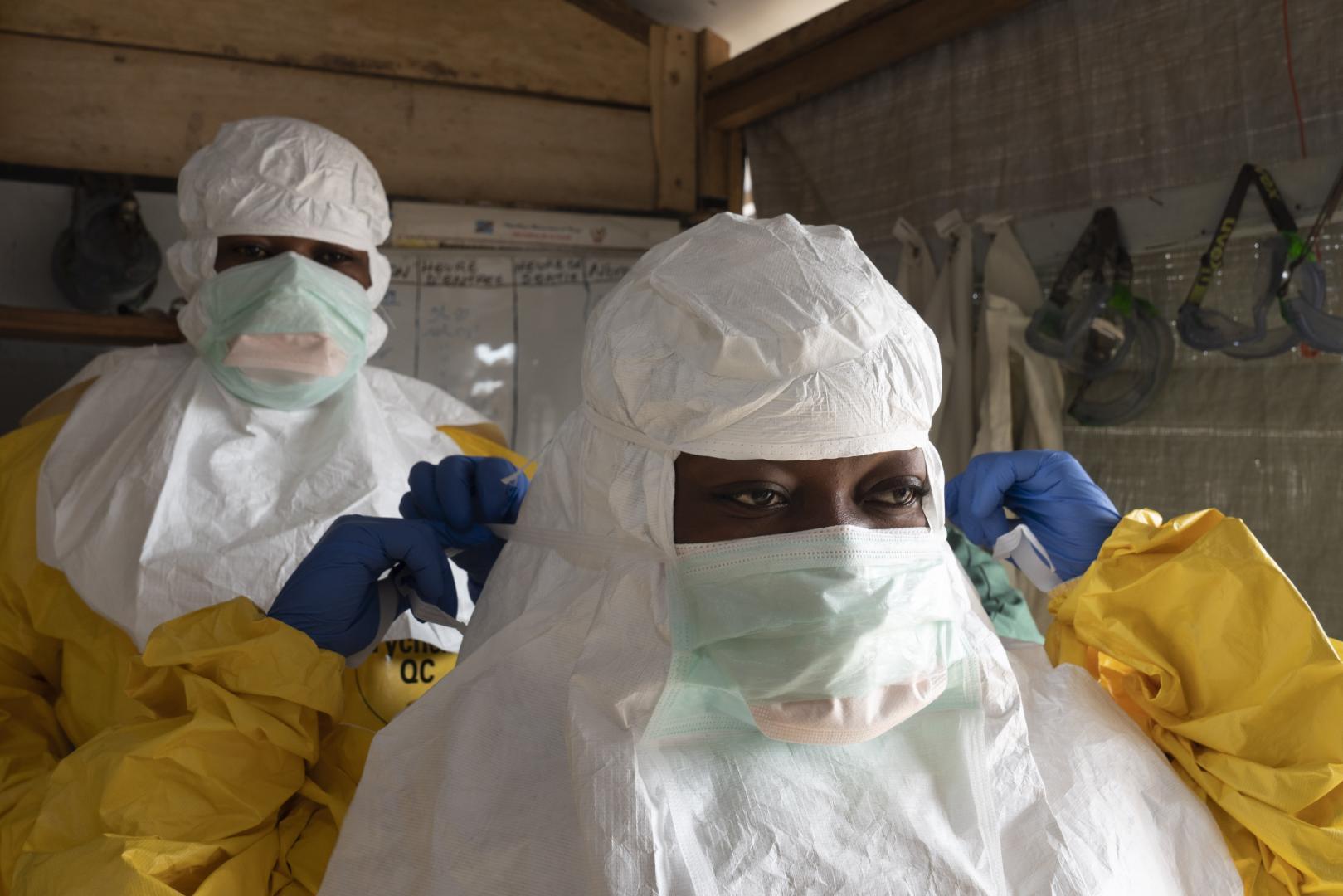
The World Health Organization (WHO) on Sunday declared the Ebola outbreak affecting the Democratic Republic of Congo (DRC) and Uganda a “Public Health Emergency of International Concern” (PHEIC), citing the spread of cases across multiple locations and cross-border transmission risks.
The outbreak is linked to the Bundibugyo strain of the Ebola virus and has prompted heightened international concern after infections were detected in both eastern Congo and Uganda, with additional cases linked to major urban centres.
However, WHO clarified that while the outbreak warrants the highest level of international alert under its emergency framework, it does not currently meet the criteria for a pandemic-level emergency.
According to the UN health agency, authorities in DRC’s Ituri province had recorded 80 suspected deaths, eight laboratory-confirmed infections and 246 suspected cases as of Saturday.
The outbreak has spread across at least three health zones in Ituri — Bunia, Rwampara and Mongbwalu — raising fears over wider transmission in eastern Congo, where conflict, displacement and limited healthcare access have complicated previous epidemic responses.
DRC health authorities had earlier announced that 80 people had died in the outbreak in Ituri province.
In neighbouring Uganda, health officials reported two laboratory-confirmed Ebola cases in the capital Kampala on Friday and Saturday, including one fatality. WHO said the cases appeared unrelated but involved individuals who had travelled from DRC.
The agency also confirmed a case in Kinshasa, the DRC capital, involving a traveller returning from Ituri, raising concerns about movement-linked transmission into densely populated urban areas.
The Bundibugyo strain is considered less lethal than the Zaire strain responsible for previous major Ebola outbreaks, but health officials warn it remains highly dangerous and requires rapid containment efforts.
WHO’s emergency declaration is expected to unlock additional international funding, surveillance mechanisms and cross-border response measures aimed at preventing wider regional spread.