
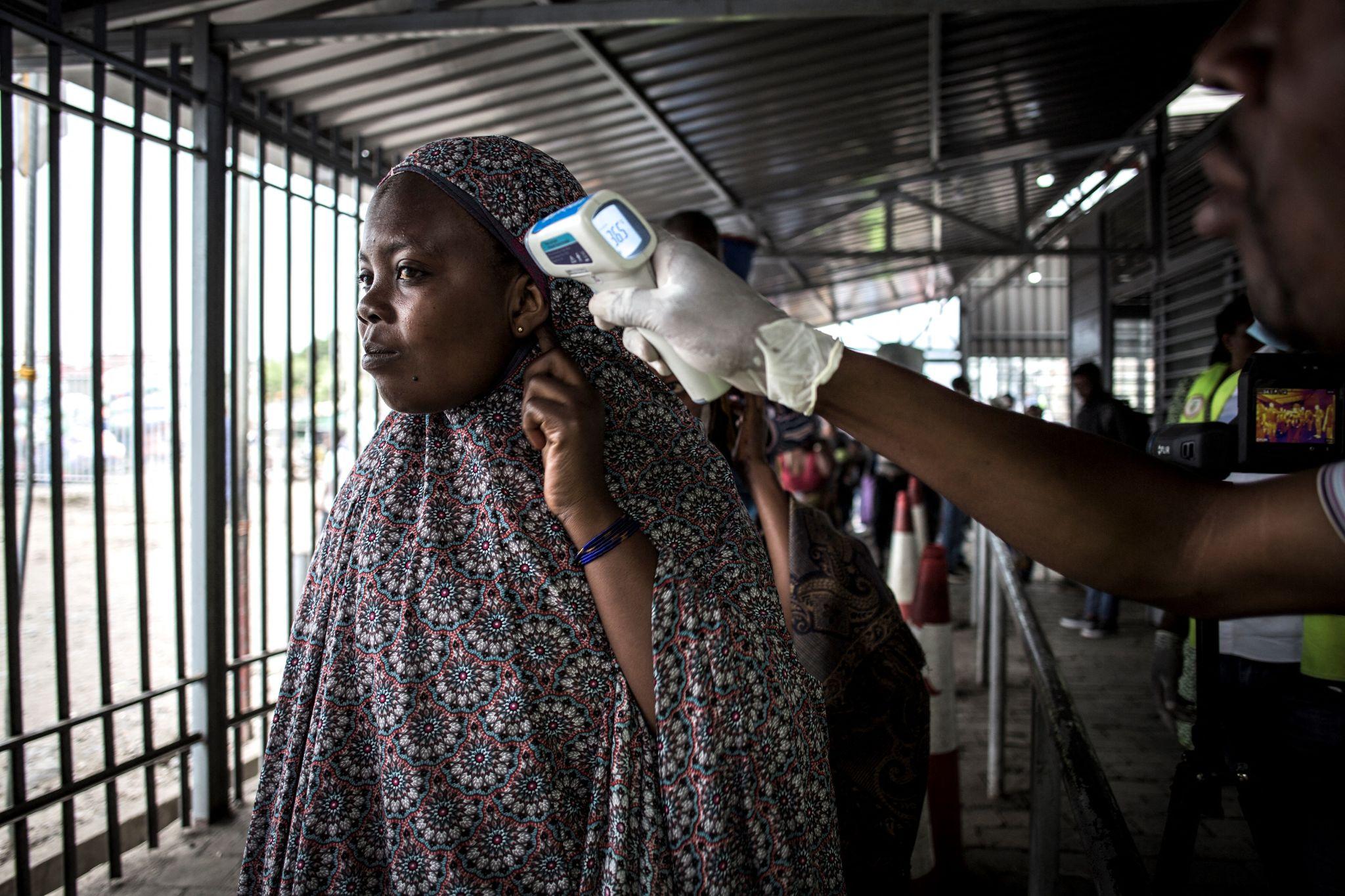
At least 100 people have died in the ongoing Ebola outbreak in the Democratic Republic of Congo (DRC), with more than 390 suspected cases reported, as health authorities intensify efforts to contain the spread of the virus across the region.
The outbreak, centered in eastern DRC’s Ituri province, has been declared a public health emergency of international concern by the World Health Organization (WHO), though the agency said it does not currently meet the threshold for a pandemic.
The outbreak is linked to the Bundibugyo strain of Ebola, a variant for which no approved vaccines or treatments currently exist, raising concerns among global health agencies.
Uganda has also confirmed two Ebola cases and one death linked to the outbreak, according to the U.S. Centers for Disease Control and Prevention (CDC), prompting heightened regional surveillance.
Reports have also emerged that at least six Americans were exposed to the virus while in the DRC. According to sources cited by CBS News, one individual is believed to be showing symptoms, while three others reportedly had high-risk exposure. It remains unclear whether any have tested positive.
The CDC confirmed it is supporting the “safe withdrawal” of a small number of affected Americans from the region but did not disclose specific figures. U.S. officials are reportedly considering relocating exposed individuals to a secure quarantine facility, with some reports suggesting a possible transfer to a U.S. military base in Germany, though no official confirmation has been issued.
In its latest update, the CDC assessed the risk to the United States as low but announced a series of precautionary measures aimed at preventing the virus from entering the country.
These include enhanced monitoring of travelers arriving from affected areas and entry restrictions for non-U.S. nationals who have recently visited the DRC, Uganda, or South Sudan within the past 21 days.
The agency said it will also expand contact tracing efforts with airlines, increase testing capacity, and strengthen hospital preparedness.
Washington has meanwhile issued its highest-level travel advisory, urging citizens not to travel to the DRC.
WHO officials have warned that the outbreak may be significantly larger than currently reported and carries a serious risk of local and regional transmission.
Jean Kaseya, director general of the Africa Centres for Disease Control and Prevention, stressed the importance of strict public health measures, particularly around funeral practices.
“We don’t want people infected because of funerals,” Kaseya told the BBC, referencing traditional burial practices that contributed to transmission during the devastating 2014–2016 West Africa Ebola epidemic.
The WHO has urged both DRC and Uganda to implement cross-border screening measures, while neighboring countries step up surveillance and preparedness.
Democratic Republic of the Congo neighbor Rwanda said it was tightening border screening measures, while Nigeria said it was closely monitoring developments.