
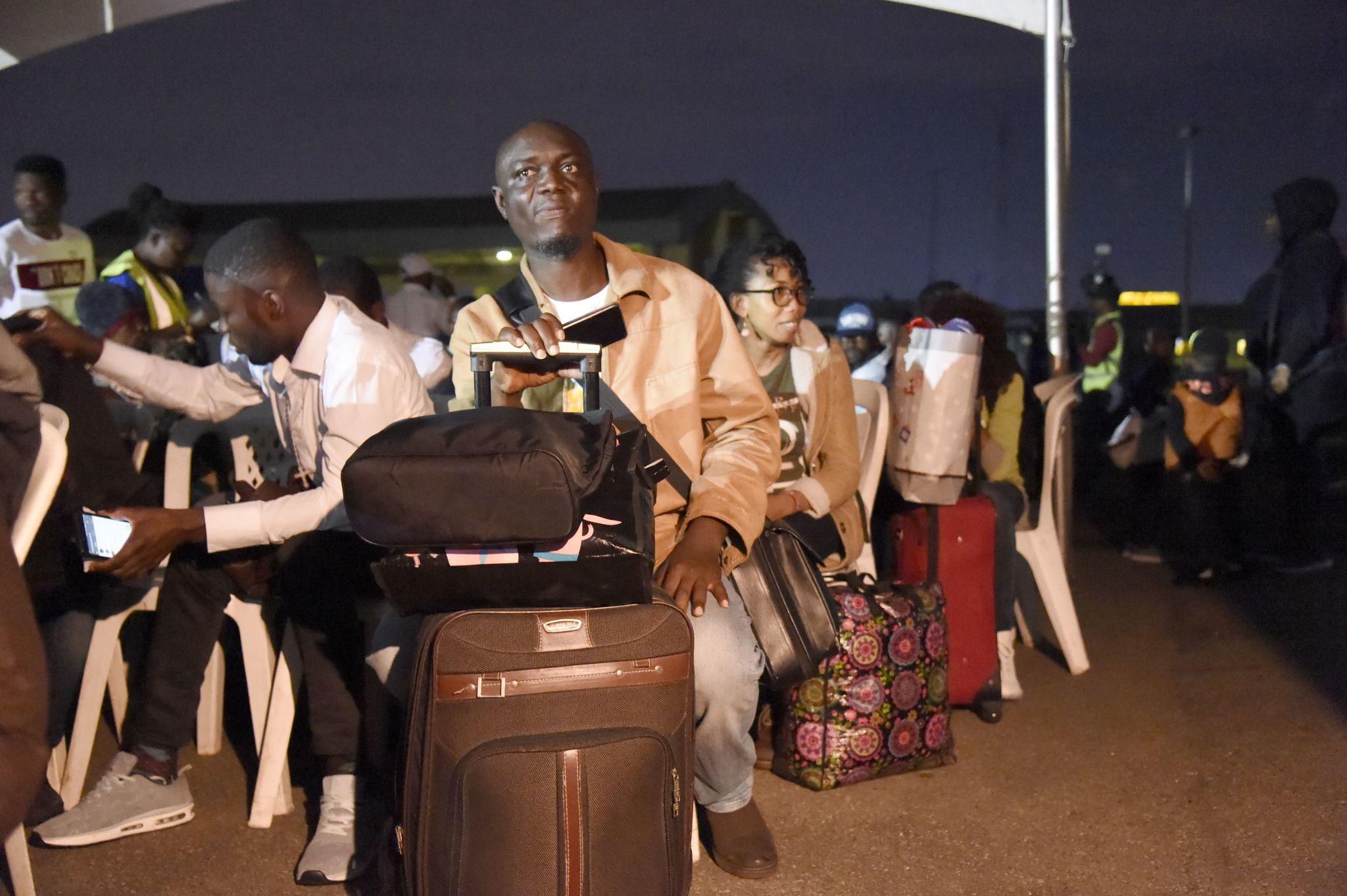
Nigeria has repatriated 268 of its citizens from South Africa as growing anti-migrant sentiment continues to fuel fear among foreign nationals in the country.
The group arrived in Lagos after leaving Johannesburg on Thursday morning, becoming the latest evacuation carried out by an African government in response to escalating hostility toward migrants.
Nigeria’s consulate in South Africa said around 1,000 citizens had registered for repatriation. Ghana, Zimbabwe and Malawi have also evacuated some of their nationals ahead of a June 30 deadline set by anti-migrant campaigners demanding that undocumented foreigners leave the country.
Many migrants from across Africa moved to South Africa after the end of white-minority rule in 1994, seeking work, safety and better opportunities. But with unemployment above 30%, migrants have increasingly become targets of public anger, political rhetoric and xenophobic violence.
At Johannesburg’s O.R. Tambo International Airport, one Nigerian returnee, identified as Justin, said he had lived in South Africa since 1998 but no longer felt safe.
“They say we must leave on or before June 30,” he said. “Because of the way they are killing people, killing our brothers, I am not safe.”
Justin said he had recently been attacked in a taxi and forced to flee, leaving his belongings behind.
“They call us names and say we must leave this country,” he said.
Another returnee, Chinwe Osuala, a hairdresser and mother of three, said she decided to leave because of the fear affecting her family.
“You can’t even walk around freely. You’ll be scared, the children are scared,” she said after arriving in Lagos.
Osuala said she had previously been attacked at her business premises during an earlier wave of anti-migrant violence, although police later helped her. She added that not all South Africans were hostile, saying many friends had been upset to see her leave.
Nigeria’s Diaspora Commission chair, Abike Dabiri-Erewa, said returnees would be assisted by the country’s emergency management agency and transported to destinations across Nigeria’s 36 states. She said they had also received more than 100,000 naira, around $73, as well as mobile phone credit.
There are no official figures for the number of people killed in recent xenophobic violence in South Africa. Police said two Mozambican men were killed in Western Cape province earlier this month, but did not state a motive. Mozambican authorities have said the death toll is higher and that some of their citizens were killed in xenophobic attacks.
Anti-migrant groups in South Africa have accused foreigners of worsening unemployment and putting pressure on schools, hospitals and other public services.
Nigeria’s consul general in South Africa, Ninikanwa Okey-Uche, rejected that argument, saying migrants make up less than 10% of South Africa’s population and cannot be blamed for failures in education, healthcare, policing or employment.
“Migrants are basically being scapegoated,” she said.
South Africa’s Border Management Agency told local broadcaster Newzroom Afrika that none of the passengers on the Nigerian evacuation flight had legal documents to remain in the country.
Okey-Uche said delays in processing immigration applications may have caused some migrants to fall into undocumented status. She called on South African authorities to take stronger action against those inciting violence and anti-foreigner sentiment.
“We need to see arrests,” she said. “We know the people in charge. They’re not hiding.”
South Africa is due to hold local government elections in November, and analysts say migration is increasingly being turned into a campaign issue.
President Cyril Ramaphosa addressed the tensions in a televised speech on Sunday, announcing measures to tighten controls on illegal migration. These include penalties for employers who hire undocumented workers, dedicated courts to speed up deportations and a biometric database for people in the country.
Ramaphosa also warned South Africans not to take the law into their own hands by targeting people they suspect of being undocumented migrants.