
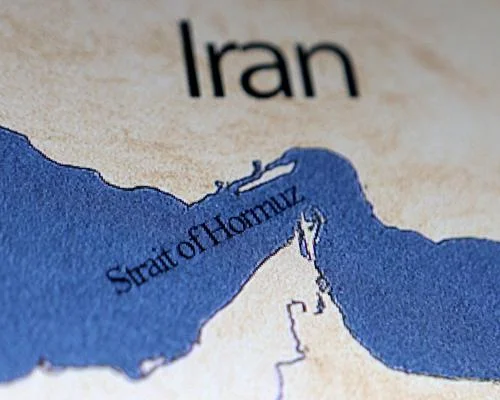
Commercial shipping traffic through the strategic Strait of Hormuz remained at a near-total standstill this Tuesday.
Maritime trackers revealed the persistent stagnation despite a recent United States agreement with Iran to end their war.
The platform Kpler detected a mere four commodity vessels crossing the vital Middle Eastern waterway throughout the day.
A similarly diminished rate of five transits occurred on Monday, mirroring traffic levels observed before the peace accord.
This vital maritime corridor continues to operate significantly below normal commercial levels, despite promising signals of global diplomatic progress.
Tehran reported that a United States military counter-blockade on Iranian ports, enforced since April, has finally been lifted.
President Donald Trump announced that vessels are emerging from the gateway, predicting a complete reopening following Friday’s formal signing.
However, international shipping conglomerates remain deeply hesitant due to unresolved anxieties surrounding potential sea mines and transit security.
The devastating conflict, ignited by initial U.S. and Israeli military strikes, previously crippled a route handling twenty percent of global oil.
Before the hostilities erupted, this essential artery comfortably accommodated approximately one hundred and twenty vessel transits every single day.
Industry experts emphasize that rebuilding maritime confidence and ensuring safe passage arrangements could require several weeks of verified peace.