
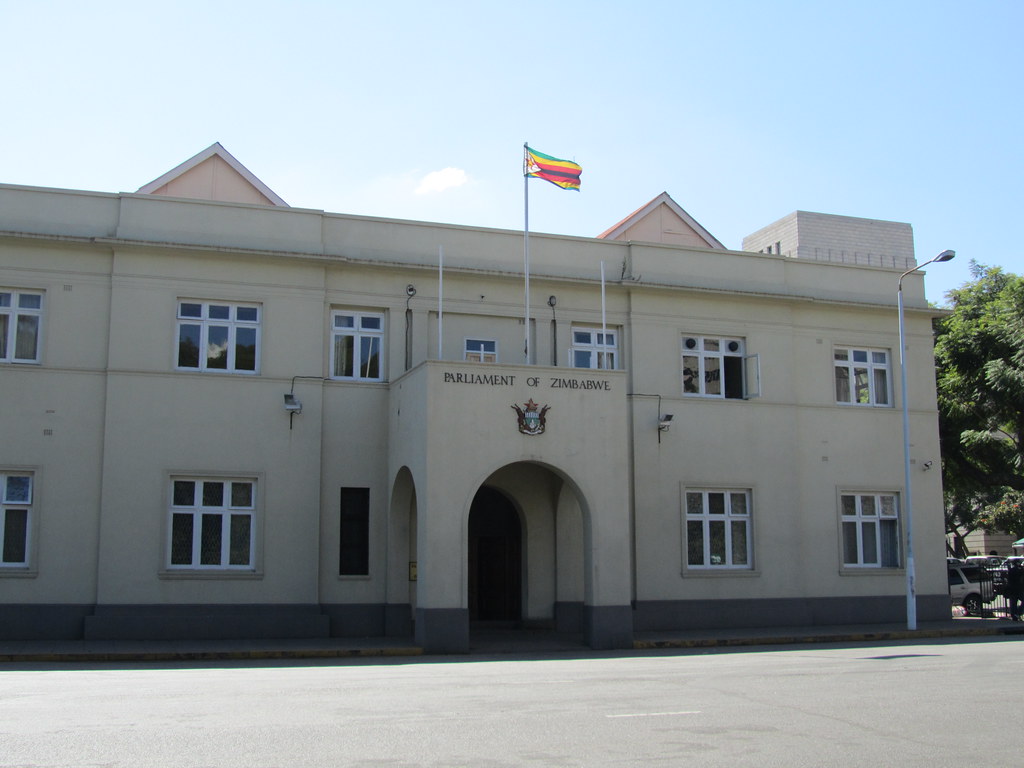
The Zimbabwean Parliament’s lower house successfully passed a controversial constitutional amendment bill to extend presidential terms from five to seven years.
This legislative adjustment delays the scheduled 2028 elections, allowing sitting President Emmerson Mnangagwa to remain in power until 2030.
The new text dramatically shifts the democratic landscape by transferring presidential selection from a direct popular vote to member lawmakers.
Critics fear this structural alteration effectively silences the collective voice of ordinary citizens while centralizing authority within a insulated political elite.
Garnering 216 votes in favor, the contentious Constitution of Zimbabwe Amendment Bill cleared its required two-thirds parliamentary supermajority threshold.
The legislation now progresses toward the eighty-member Senate, where political analysts anticipate a seamless passage into statutory law.
The governing Zimbabwe African National Union-Patriotic Front party maintains solid legislative control, ensuring absolute support for the president’s agenda.
Mnangagwa, historically known as “the crocodile,” originally ascended to power following a dramatic military-backed coup d’état in late 2017.
That strategic intervention successfully ousted long-time autocrat Robert Mugabe, whose thirty-seven-year regime was defined by severe systemic repression.
The current administration mirrors those darker eras, marked by persistent economic fragility, disputed elections, and documented human rights violations.
This sweeping consolidation of state power reflects a broader, unsettling authoritarian trend observed across several contemporary African nations.