
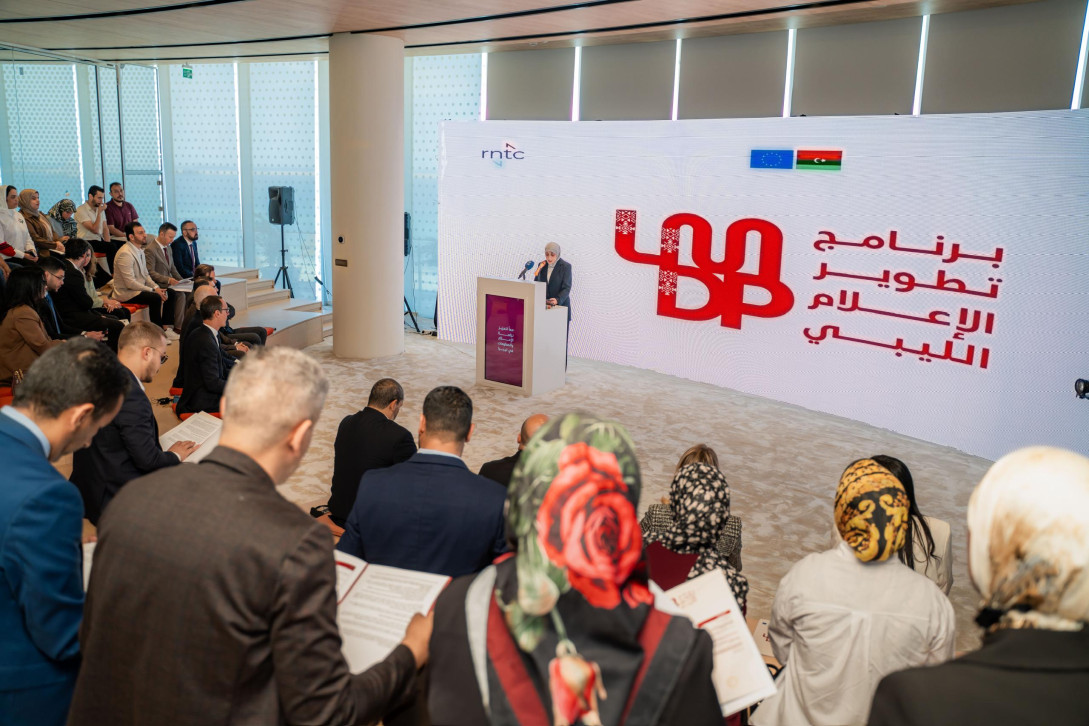
A new dawn beckons for Libya’s media landscape as the European Union and local authorities unite to transform national journalism.
The Libya Media Development Programme officially launched in Tripoli, charting a bold two-year course for the fractured sector.
Steered by the RNTC training center and the Annir Initiative, the project injects vital resources into a rapidly changing industry.
Dozens of journalists, civil society leaders, and international diplomats gathered to witness the unveiling of this ambitious media blueprint.
The initiative confronts modern atmospheric threats directly, arming local storytellers against digital safety risks and the creeping shadow of disinformation.
Organizers seek to sharpen reporting skills while building resilient frameworks to help independent news organizations survive in a digital age.
EU Ambassador Nicola Orlando championed the alliance, calling it a cornerstone for fostering public trust and a democratic Libya.
Government Communication Centre chief Mohamed Abuhelga echoed this, stressing that national talent must keep pace with global digital evolutions.
Experts note that contemporary audiences no longer drink from a single stream, requiring modern journalists to navigate complex information ecosystems.
By investing in human capital, this initiative aims to weave a stronger social fabric rooted in transparency and shared truth.