
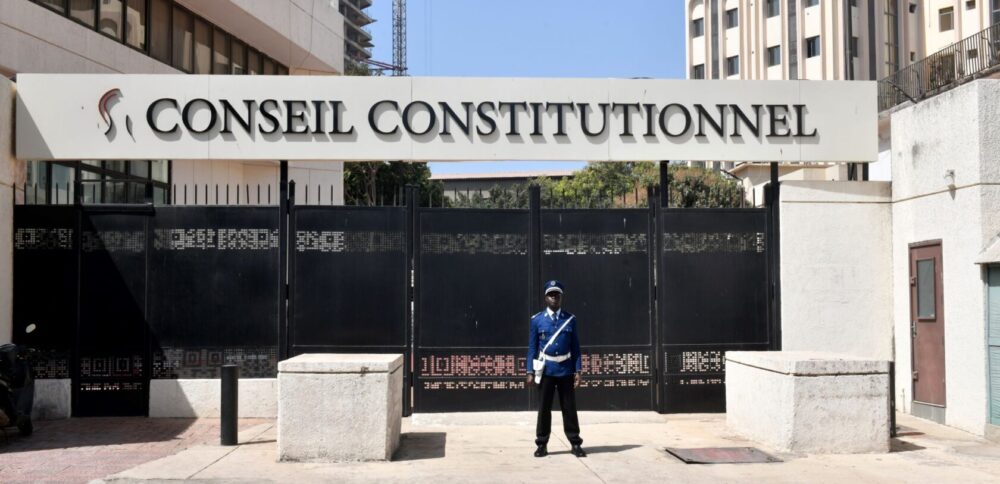
A fierce institutional struggle is unfolding in Senegal as a contested constitutional reform deepens political tensions.
The proposed changes aim to reshape the country’s governance by curbing presidential powers and strengthening parliamentary authority.
At the heart of the dispute lies a widening rift between President Bassirou Diomaye Faye and Ousmane Sonko.
Once close allies who secured a sweeping 2024 election victory, the two now stand on opposing sides of power.
The draft reform would bar the head of state from leading a political party, directly targeting Faye’s political influence.
It also limits presidential authority to dissolve the National Assembly, reinforcing Sonko’s strong parliamentary position.
The shifting balance reflects a rapid breakdown of their former united reformist movement.
Faye removed Sonko as prime minister in May, yet Sonko quickly regained influence as a dominant parliamentary leader.
The executive branch now appears increasingly constrained, facing the prospect of legislative checks and political friction.
A key parliamentary vote scheduled for June 29 will test the strength of Sonko’s bloc.
Faye retains a decisive option, as he can bypass parliament and submit the reform to a national referendum.
Such a move would turn the dispute into a direct appeal to voters, intensifying the political stakes.
Rising economic pressures further heighten uncertainty as both leaders position themselves for long-term control.
The unfolding confrontation casts a long shadow over Senegal’s political future ahead of the 2029 elections.