
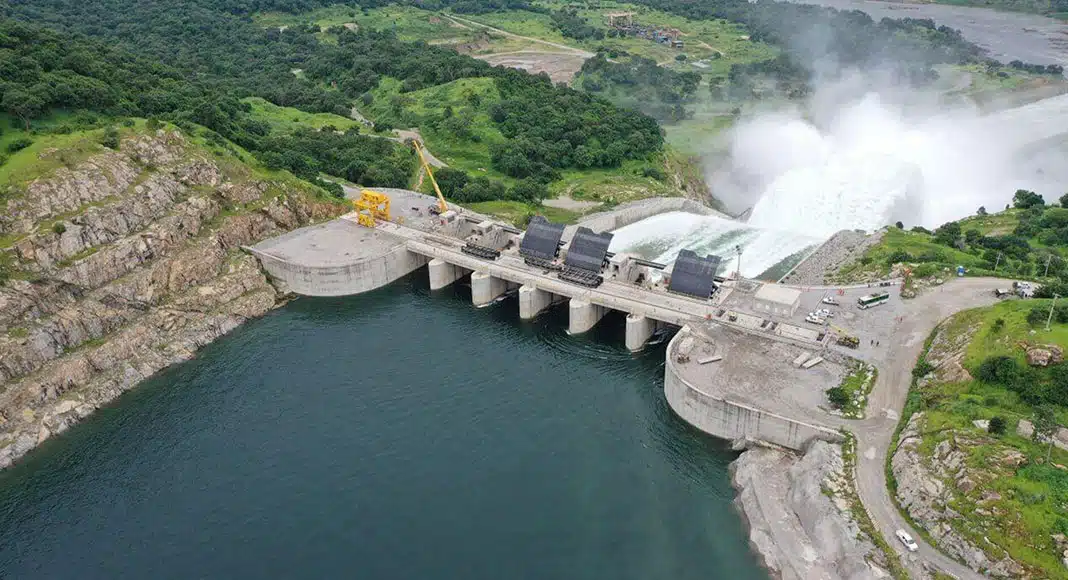
Egypt says it will not resume negotiations with Ethiopia over the Grand Ethiopian Renaissance Dam unless clear safeguards protect its water rights.
The announcement reflects deepening distrust in a stalled diplomatic process that has stretched across more than a decade without a binding agreement.
Water Resources and Irrigation Minister Hani Sweilem said the suspension of talks since December 2023 remains a firm state decision with no change.
He said repeated rounds of negotiations had failed to produce enforceable commitments governing the filling and operation of the Blue Nile megaproject.
Sweilem accused Ethiopia of reversing prior understandings and failing to uphold what Cairo describes as established international legal principles.
He stressed that no negotiations are currently underway, and future talks require strict national guarantees and binding implementation frameworks.
The remarks come as the United States attempts to revive diplomacy following discussions between Donald Trump and President Abdel Fattah al-Sisi.
Egypt, Ethiopia and Sudan have held repeated negotiations since 2011 but have consistently failed to reach a legally binding operational agreement.
Cairo says unilateral filling of the dam has eroded trust, turning technical talks into a politically charged dispute over Nile waters.
Sweilem also dismissed claims of drought in Ethiopia, saying rainfall levels in the highlands remain above average this season.
He noted Egypt’s fixed annual Nile allocation of 55.5 billion cubic metres under mounting population pressure nearing 120 million people.
He warned that per capita water availability has dropped below global scarcity thresholds, intensifying long-term stress on national water security.
Egypt has expanded recycling and irrigation modernisation projects over the past decade to reduce dependency and secure agricultural stability.
Sudan has aligned with Egypt in calling for a binding agreement, while expecting benefits from improved flood control and electricity generation.
Washington continues to support mediation efforts, but Cairo insists any future framework must include enforceable guarantees or risk renewed deadlock.